Medical
We didn't find any matches: , check your search and try again
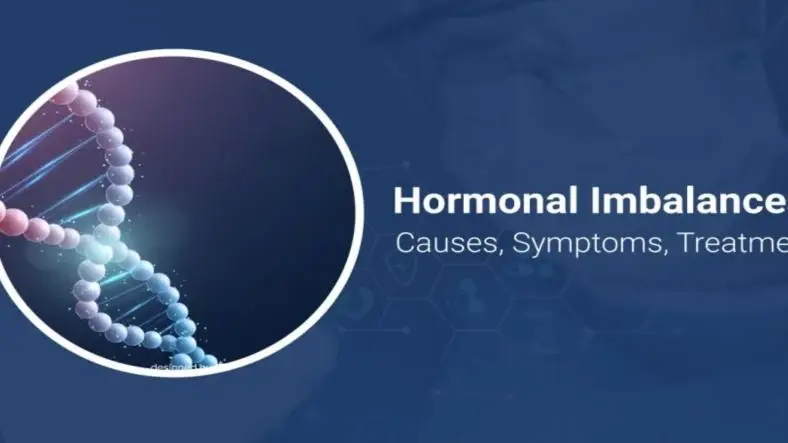
Hormonal Imbalances: Common Symptoms and Treatments
Hormones play a vital role in regulating many functions in the body, including growth, metabolism, reproduction, and mood. When these chemical messengers are too high or too low, it leads to hormonal imbalance—a condition that can affect men and women at any stage of life. Recognizing the symptoms and seeking timely treatment is essential for restoring balance and maintaining overall health. Co
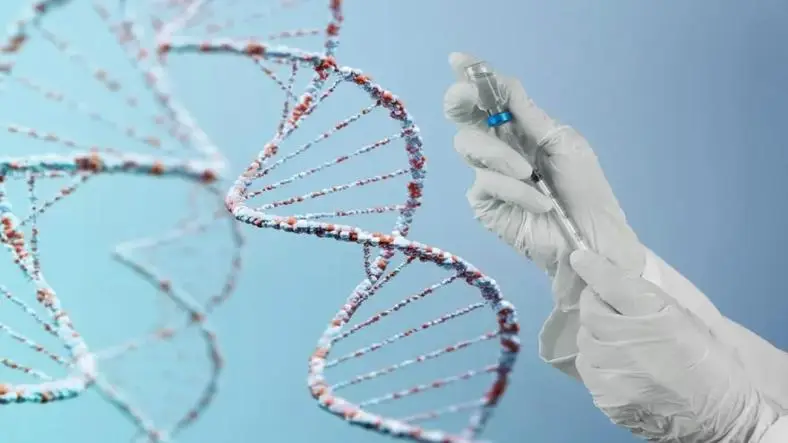
How Hereditary Conditions Are Diagnosed and Managed
Hereditary conditions, also known as genetic disorders, are health problems passed down from parents to children through genes. These conditions can range from mild issues like lactose intolerance to more serious disorders such as cystic fibrosis, sickle cell anemia, or Huntington’s disease. Understanding how these conditions are diagnosed and managed is important because early detection and pro
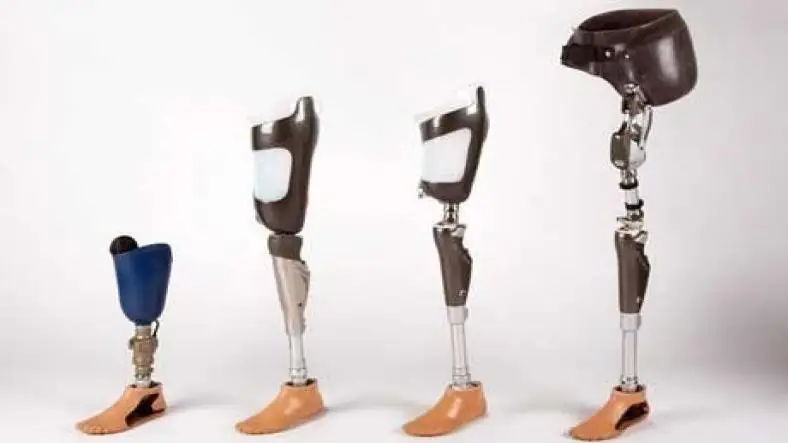
Advances in Prosthetic Limb Technology
Prosthetic limb technology has undergone remarkable transformation over the past two decades, evolving from basic mechanical replacements to highly sophisticated, sensor-integrated, and AI-assisted extensions of the human body. These innovations are not only restoring mobility for amputees but also redefining what artificial limbs can do—enhancing lives with improved functionality, comfort, and
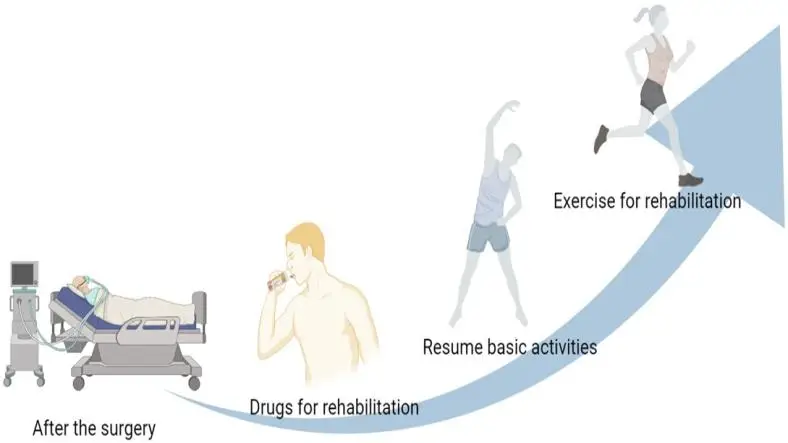
The Importance of Post-Surgical Rehabilitation Programs
Undergoing surgery is often just the beginning of a patient's journey to recovery. What follows—post-surgical rehabilitation—is equally vital to ensure full healing, restore function, and improve quality of life. Post-surgical rehabilitation programs are structured, individualized plans that guide patients through recovery, aiming to minimize complications, regain strength, and help them retur
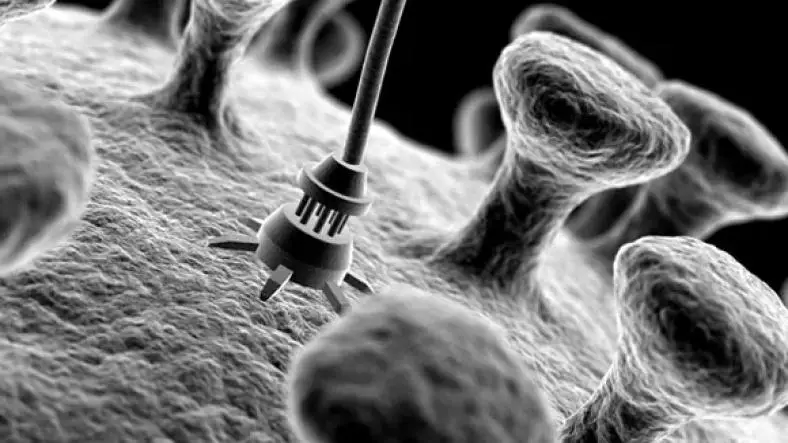
How Nanotechnology is Revolutionizing Medicine
Nanotechnology, the science of manipulating materials at the molecular and atomic level, is transforming modern medicine. By working at a scale of nanometers (one-billionth of a meter), researchers and doctors can develop highly precise treatments, improve diagnostics, and create innovative medical devices. From targeted drug delivery to tissue engineering, nanotechnology is revolutionizing health
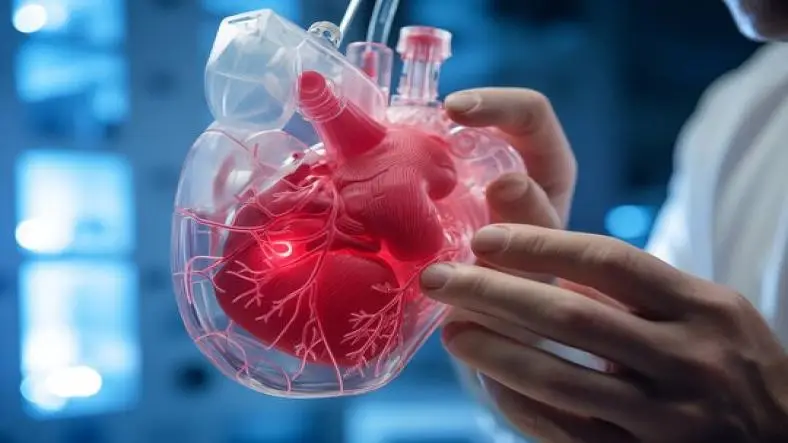
Exploring the Use of Artificial Organs in Healthcare
Artificial organs represent one of the most groundbreaking advancements in modern medicine, offering hope to patients suffering from organ failure. With the increasing demand for organ transplants and the limited availability of donor organs, artificial organs have emerged as a life-saving alternative. These bioengineered or mechanically created organs aim to restore lost function, improve quality


