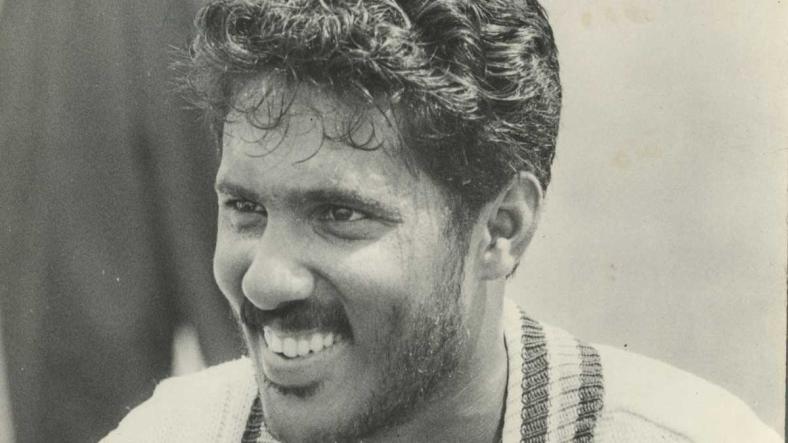
Abey Kuruvilla may not be the first name people recall when they think of Indian fast bowling, but his contribution to Indian cricket—both on and off the field—has been significant. His cricketing journey reflects dedication, discipline and a deep love for the game. Kuruvilla’s story is not only about his short international stint but also about the many roles he embraced after retiring from professional cricket. From being a domestic stalwart to becoming a national selector and later a senior administrator at the BCCI, his career offers a complete arc of involvement in Indian cricket.
Early Life and Passion for Cricket
Abey Kuruvilla was born on August 4, 1968, in Bombay (now Mumbai), Maharashtra. Growing up in a city deeply connected with cricket, he was naturally drawn to the sport. His tall frame—standing around 6 feet 5 inches—made him a natural fit for fast bowling. While India has traditionally been a spin-dominated nation, tall pacers like Kuruvilla brought a refreshing change with their height, bounce and seam movement.
From his teenage years, Kuruvilla showed promise in local tournaments and age-group cricket. His ability to move the ball both ways, especially on lively pitches, marked him as a bowler to watch.
Rise in Domestic Cricket
Kuruvilla made his first-class debut for Mumbai in the early 1990s. Mumbai’s domestic cricket culture is known for its intensity and high standards. Many legendary Indian cricketers have come from this system, and Kuruvilla proved that he belonged there.
1. What Made Him Stand Out?
- Bounce from good length: His height gave him an advantage over most Indian bowlers.
- Ability to swing the ball: Not express fast, but controlled and skillful.
- Consistency: Season after season, he delivered strong performances.
In 82 first-class matches, Kuruvilla picked up close to 290 wickets, an impressive record for any fast bowler in Indian domestic cricket. His performances in the Ranji Trophy, especially during the mid-90s, were one of the major reasons Mumbai remained a competitive team.
Kuruvilla’s strength was his discipline. He bowled long spells even on flat tracks and often worked in partnership with spinners, creating pressure through accuracy.
Breakthrough into International Cricket
Kuruvilla finally got his chance to represent India in 1997, a time when the team struggled to find consistent fast bowlers. An injury to Javagal Srinath created an opening, and Kuruvilla was selected for the tour of the West Indies—a challenging assignment for any bowler.
1. Test Career
Kuruvilla played 10 Test matches for India.
- Total wickets: 25
- Best bowling: 5 for 68
His best performance came during the Test in Bridgetown, Barbados, where he took a five-wicket haul. This spell remains the highlight of his international career and showed his ability to adapt to foreign conditions.
2. ODI Career
Kuruvilla also played 25 One Day Internationals (ODIs).
- Total wickets: 25
- Best figures: 4 for 43
While his ODI career was short, he played key matches against strong teams like West Indies, Sri Lanka and Zimbabwe.
3. Why His International Career Was Short
There were several reasons:
- Intense competition for pace bowling spots.
- Limited opportunities in a spin-heavy era of Indian cricket.
- Emergence of younger fast bowlers during the late 1990s.
- Inconsistent team selection policies of that period.
Despite this, Kuruvilla made an impression with his discipline, accuracy and work ethic.
Retirement and Transition Into Coaching
Kuruvilla retired from professional cricket around 2000, not because he lost form but to make space for younger fast bowlers. His decision reflected humility and a willingness to serve cricket in other roles.
After retirement, he moved into coaching and mentoring. He worked with various cricket bodies and academies, including the Mumbai Cricket Association and other training setups, helping develop the next generation of fast bowlers.
Kuruvilla’s coaching style was practical. He focused on basics like seam position, wrist control, understanding pitches and fitness—elements that often make the difference between a good and great bowler.
Google Ad 1
Roles in Talent Scouting and Administration
Kuruvilla soon transitioned into cricket administration and became an important figure in the Indian cricket structure.
1. Junior Selection Committee (2008–2012)
He joined the BCCI junior selection panel, where he played a role in identifying young talent. His tenure was particularly notable because India won the Under-19 World Cup in 2012—a strong indicator of the quality of scouting and player development happening in that period.
2. Mumbai Chief Selector
In 2012, Kuruvilla became the chief selector for Mumbai, further contributing to domestic cricket. His knowledge of Mumbai’s cricket ecosystem allowed him to bring stability and support to local players.
3. Senior National Selection Committee (2020–2022)
In 2020, Kuruvilla was appointed to the senior national selection panel as the West Zone representative. This position allowed him to influence Indian cricket at the highest level, helping select squads for international tours and major tournaments.
His role on the senior panel lasted until early 2022, after which he stepped down due to BCCI rules regarding maximum combined tenure of junior and senior selection roles.
BCCI General Manager (Operations)
One of the most important roles in his post-cricket career came in March 2022, when Kuruvilla was appointed the General Manager (Operations) of the BCCI. This position includes responsibilities such as:
- Overseeing domestic tournaments
- Managing logistics for cricket operations
- Coordinating with state associations
- Implementing cricket development programs
- Ensuring smooth execution of national and domestic schedules
This role places him among the key decision-makers in Indian cricket administration.
Bowling Style: What Made Him Unique
Even though his international career was short, Kuruvilla brought qualities that set him apart:
1. Height and Natural Bounce
His tall structure created steep bounce, which troubled many batsmen, especially those used to playing low Indian pitches.
2. Swing in Both Directions
He relied more on movement than raw pace, using seam position and wrist control effectively.
3. Discipline and Endurance
Kuruvilla bowled long spells without losing rhythm or accuracy, a rare trait among Indian pacers of the 1990s.
4. Team Player
His ability to support lead bowlers and build pressure from one end made him a valuable member of the bowling unit.
Contributions Beyond Playing
Cricketers are often remembered only for their playing days, but Kuruvilla’s contributions after retirement have been significant:
- Helped shape youth cricket through junior selection
- Played a key role in Mumbai cricket’s structure
- Served on the national selection panel
- Now holds a senior administrative post in BCCI
- Continues to support the growth of domestic cricket
His journey proves that a meaningful impact on the sport can be made even after hanging up one’s boots.
Legacy
Abey Kuruvilla’s legacy lies in the breadth of his contributions. While his international playing record may not be long, his dedication to cricket in roles such as selector, mentor, coach and administrator has helped shape Indian cricket behind the scenes.
He represents the group of cricketers whose contributions go beyond scorecards. His journey—from a domestic fast bowler to a national cricket administrator—is a testament to hard work, adaptability and passion for the sport.
Final Words
Abey Kuruvilla’s story is a reminder that every role in cricket—whether bowling on the field or selecting players off the field—matters. His career reflects the evolution of a cricketer who continued to serve the sport long after his playing days ended.
If you want more inspiring profiles of sportspersons and influential individuals, feel free to explore other articles on PeoplesBLOG.