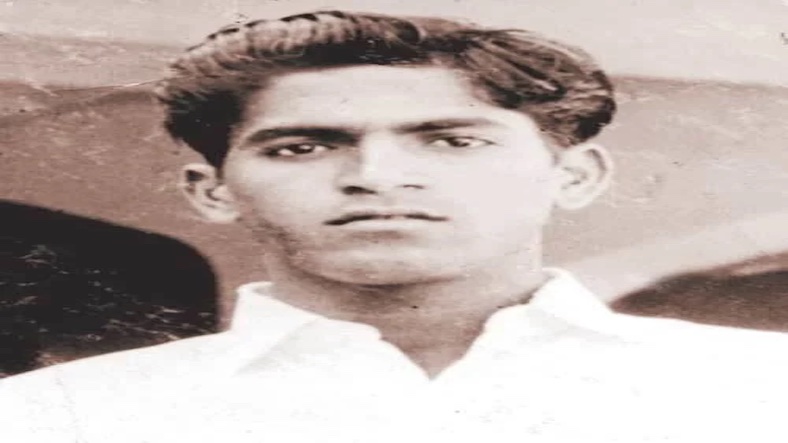
Ramakant Desai remains one of the most respected names in the history of Indian cricket. At a time when India was known almost entirely for spin bowling, Desai emerged as a rare fast bowler who could trouble even the best international batsmen. His contribution came during a crucial phase in the 1960s, when India was still finding its footing in world cricket. Known for his pace, accuracy and fighting spirit, Desai carved a place for himself despite being physically smaller than most fast bowlers of that era.
Early Life and Background
Ramakant Bhikaji Desai was born on June 28, 1939, in Bombay (now Mumbai). Growing up in a city that was then the heart of Indian cricket, Desai was introduced to the game at a young age. His early cricketing days were shaped by school tournaments and local matches in Mumbai, where his exceptional pace started getting noticed.
Interestingly, Desai stood just about 5 feet 4 inches tall—much shorter than a typical fast bowler. But this never stopped him. He compensated with strong shoulders, quick arm action and exceptional stamina. His natural ability to swing the ball and bowl sharp bouncers made him stand out.
Rise in Domestic Cricket
Desai first gained attention in domestic cricket when he played for Bombay in the Ranji Trophy, India’s premier domestic tournament. Bombay, even at that time, was the strongest team in domestic cricket, and earning a place in the squad was a great achievement.
Why He Stood Out
- Raw pace despite short height
- Accurate line and length
- Ability to extract bounce from good length
- Fearless bowling against top teams
His performances soon put him on the radar of national selectors. In an era dominated by spinners like Ghulam Ahmed and Subhash Gupte, Desai’s pace brought variety to the Indian attack.
International Debut and Early Years
Ramakant Desai made his Test debut in 1959 against Pakistan in Bombay. He quickly established himself as a dependable fast bowler, something the Indian team badly needed.
Test Career Summary
- Played: 28 Test matches
- Wickets: 74
- Best figures: 6 for 56
- Career span: 1959 to 1968
His bowling style was aggressive, brave and consistent. Even on slow Indian pitches, Desai managed to trouble batsmen with his pace and movement.
The 1961–62 England Series: His Finest Hour
One of the most important chapters in Desai’s career was the 1961–62 home Test series against England. This series is remembered for India’s historic performance, and Desai played a major role.
Key Highlights from the Series
- He bowled long spells tirelessly.
- His accuracy forced English batsmen to play risky shots.
- He played a crucial role in India winning the series 2–0.
This victory was one of India’s earliest major Test series wins and helped build confidence for the future. Desai was celebrated for his discipline, determination and the ability to lift his game during important moments.
Tour of the West Indies in 1962
In 1962, India toured the West Indies, a team known for producing some of the world's best batsmen. Desai’s performances were noteworthy, especially because the West Indies pitches at the time were lively and helped fast bowlers.
Despite the tough opposition, Desai held his ground. His ability to swing the ball even on foreign pitches earned him respect from many international players.
County Cricket with Sussex
Ramakant Desai also played county cricket in England, representing Sussex. This experience sharpened his skills further.
Playing in English conditions helped him:
- Learn to bowl with the Duke ball
- Understand seam movement
- Develop discipline for long spells
- Compete against some of the best international players
His county stint contributed significantly to his overall improvement as a fast bowler.
Google Ad 1
Challenges and Injury
Even though Desai had an impressive bowling career, it was unfortunately cut short due to a serious knee injury. Fast bowling is one of the most physically demanding roles in cricket, and injuries are common. Desai’s injury, however, was severe enough to force him into early retirement in 1967, when he still had several years left as a potential international player.
His sudden exit was a big loss for Indian cricket, especially because he was one of the few capable fast bowlers in the team at that time.
Reputation as a Fighter
Throughout his career, Desai earned a reputation as a courageous bowler. Many batsmen of his time recalled how he bowled fearlessly, even on flat Indian pitches. His height never became a limitation. In fact, batsmen often underestimated him but quickly realized his deliveries could rise sharply and surprise them.
His ability to bowl bouncers despite his short height became one of his trademarks.
Life After Retirement
After retiring from active cricket, Desai remained deeply connected to the sport.
Roles He Took Up
- Coach: He trained upcoming fast bowlers and shared his experience with younger generations.
- Cricket Administrator: He worked with various cricket bodies in different administrative capacities.
- Manager of the Indian Cricket Team: One of his most important post-retirement roles was managing the Indian team.
Desai’s presence in administrative roles showed his commitment to the sport even after leaving the field.
Contribution to Indian Cricket Administration
Desai played a quiet but impactful role in shaping Indian cricket behind the scenes. His involvement in administrative duties helped nurture young talent and improve cricket structures in India. His experience as a player made him a valuable figure in decision-making groups.
His Untimely Death
Ramakant Desai passed away on August 28, 1998, in Mumbai. He was only 59 years old. His death was a painful moment for Indian cricket because the sport lost one of its true gentlemen—someone who had served the game at multiple levels.
Legacy of Ramakant Desai
Today, Ramakant Desai is remembered for several reasons:
1. One of India’s Earliest Fast Bowling Stars
At a time when India did not produce many fast bowlers, Desai showed that pace bowling could flourish even in Indian conditions.
2. A Warrior Spirit
He fought against physical limitations, injuries and tough cricketing conditions. His attitude set an example for generations of cricketers.
3. Key Contributor in India’s Early Test Success
His role in the historic England series win remains one of the milestones of his career.
4. Guiding and Grooming Young Talent
His post-retirement roles helped shape the careers of many young players.
5. A Symbol of Dedication
Desai lived and breathed cricket his entire life, serving the game as a player, coach, manager and administrator.
Conclusion
Ramakant Desai was more than just a fast bowler; he was a symbol of India’s fighting spirit during the early days of Test cricket. His journey teaches us that passion and determination can overcome physical limitations, and that a person’s contribution to a sport is not limited to the number of matches they play.
His story continues to inspire cricket lovers, especially those who admire fast bowling. Desai’s legacy remains alive through his achievements, his spirit and the important role he played in shaping Indian cricket during a formative era.
If you want to read more inspiring stories of sports personalities and influential individuals, explore more articles on PeoplesBLOG.