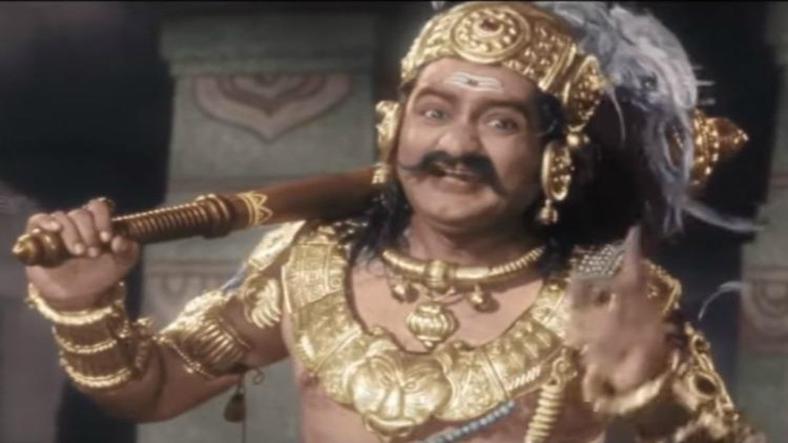
Samarla Venkata Ranga Rao (1918–1974), better known as S. V. Ranga Rao or simply SVR, remains one of the most influential and respected actors in the history of Indian cinema. His presence on screen was commanding, his dialogue delivery unmatched, and his versatility exceptional. Over the span of his career, he acted in more than 160 films across Telugu, Tamil, Kannada, and Hindi languages, leaving behind an extraordinary legacy that continues to inspire actors and filmmakers to this day.
Early Life and Background
S. V. Ranga Rao was born on July 3, 1918, in Nuzvid, a region known for its cultural richness in what is today Andhra Pradesh. His family environment had a strong inclination toward education, culture, and discipline. Growing up in this setting, Ranga Rao developed a keen interest in literature and performing arts from a young age.
He completed his early education in Nuzvid and later pursued higher studies. Although he initially started working in government-related roles, his passion for acting gradually pulled him into the world of theatre and cinema. During his youth, stage dramas were a major form of entertainment across the Telugu-speaking states. This cultural environment influenced him deeply, eventually motivating him to pursue acting more seriously.
Entry into Cinema
Ranga Rao made his way into films at a time when cinema was evolving from theatrical styles to more cinematic storytelling. His early films helped him gain recognition, but it was not until the 1950s that he began to be regarded as one of the finest actors in the Telugu and Tamil industries.
He was not a typical film star focused only on glamour. Instead, he approached acting as a craft. He prepared for each role with discipline, studying character motivations, emotional depth, and vocal modulation. This dedication helped him portray characters with remarkable authenticity.
Film Career and Versatility
Over nearly three decades, S. V. Ranga Rao appeared in approximately 162 films. His performances spanned multiple genres and industries:
- 109 films in Telugu
- 53 films in Tamil
- A few films in Kannada and Hindi
His range as an actor was extraordinary. He could portray mythological characters with grandeur, historical personalities with dignity, household patriarchs with empathy, and antagonists with controlled intensity. His expressive eyes and deep voice made even the simplest scenes captivating.
Directors often preferred him for roles that required a balance of power and emotion. Whether portraying a virtuous character or a conflicted one, Ranga Rao elevated every script he was part of. His presence alone added credibility to a film, and viewers would eagerly await his scenes, knowing they would witness something memorable.
Master of Mythological and Historical Roles
One of the strongest pillars of S. V. Ranga Rao’s legacy lies in his work in mythological and historical films. These genres were extremely popular during the 1950s and 1960s, and Ranga Rao became synonymous with some of the most iconic characters portrayed on screen.
1. Ghatotkacha in Mayabazar (1957)
His portrayal of Ghatotkacha in the classic film Mayabazar is still considered one of the greatest performances in Indian cinema. The role demanded a perfect combination of power, humor, emotion, and dramatic strength. Ranga Rao delivered all of these with effortless mastery. His performance transformed Ghatotkacha from a mythological character into an unforgettable cinematic personality.
2. Ravana in Lava Kusa (1963)
His Ravana was a layered, dignified, and powerful character. Instead of playing Ravana as a flat villain, Ranga Rao infused him with pride, vulnerability, and depth, making the character more human and compelling. His dialogue delivery in this film remains unmatched.
3. Duryodhana, Kamsa, and Other Mythological Characters
Throughout his career, Ranga Rao portrayed numerous mythological antagonists and tragic heroes with equal brilliance. The strength of his performances came not from exaggeration but from internal emotion, which made the audience feel the character rather than just see it.
His mythological roles led many critics to call him the "King of Mythological Acting" in Telugu cinema.
Character Roles Beyond Mythology
While mythological films made him extremely popular, Ranga Rao also excelled in modern social dramas and family stories. He often played fatherly or authoritative roles that required emotional maturity and strong character presence.
In films dealing with social issues, he brought a sense of realism and gravity. His ability to shift from powerful mythological characters to subtle roles in contemporary dramas demonstrates his remarkable versatility.
Directors admired him for his commitment to delivering authentic performances, and his co-actors frequently mentioned how his presence on set elevated their own performances.
Google Ad 1
Awards, Honors, and Critical Recognition
S. V. Ranga Rao received numerous honors both within India and internationally. Although the exact awards vary across sources, he is widely recognized for:
- Receiving major state-level acting awards
- Earning global recognition at events like the Afro-Asian Film Festival
- Being celebrated by critics as one of the finest actors of his generation
His performance in Nartanasala (1963) is often listed among the most memorable in Indian cinema history. Critics frequently mention his ability to convey emotions through small expressions, eye movements, and powerful dialogues, making him an ideal reference for acting students and professionals.
Contribution to Theatre and Literary Pursuits
Before becoming a major film star, Ranga Rao spent significant time in theatre. This theatrical background shaped his understanding of timing, stage presence, and dialogue delivery. Even after achieving film success, he maintained a strong connection with drama and stage arts.
He also wrote articles and essays related to acting techniques, storytelling, and his experiences in the film industry. His writings reveal a thoughtful, disciplined, and introspective personality who viewed cinema not merely as entertainment but as a serious art form.
Acting Style and Artistic Philosophy
S. V. Ranga Rao believed that an actor’s responsibility extended beyond mere performance. He emphasized authenticity in acting and discouraged superficial portrayals. His method involved:
- Understanding the psychological depth of characters
- Maintaining disciplined body language
- Practicing clear, powerful dialogue delivery
- Bringing emotional truth to every scene
Many contemporary actors acknowledge his work as an inspiration. His style continues to influence film acting in South India, especially in roles that require intensity and dramatic weight.
Cultural Impact and Enduring Legacy
Even decades after his passing, S. V. Ranga Rao remains a cultural icon. His films continue to be broadcast regularly on television, introduced to new generations of viewers. Film students analyze his performances to understand classical acting techniques. His influence can be seen in how mythological and historical characters are portrayed even in modern cinema.
Ranga Rao’s name has become synonymous with dignity, strong screen presence, and artistic excellence. His ability to portray grandeur without losing emotional nuance is one of the reasons his performances are still studied and remembered.
In Telugu households, his mythological characters are considered definitive versions, particularly his portrayals in Mayabazar and Lava Kusa. These performances not only entertained but helped preserve cultural stories for future generations.
Conclusion
S. V. Ranga Rao stands as one of the greatest actors Indian cinema has ever produced. His dedication to craft, mastery of dialogue, expressive acting, and ability to elevate any character made him a true legend. Whether playing a mythological hero, a powerful antagonist, or a humble father figure, he brought authenticity and intensity to every role.
His contributions continue to live through his films, inspiring countless actors and filmmakers. The respect and admiration he earned during his lifetime have only grown with time, making him an enduring symbol of excellence in Indian cinema.
Thank you for reading about this extraordinary personality on PeoplesBLOG. For more inspiring stories of remarkable individuals, explore the many articles available on our blog.