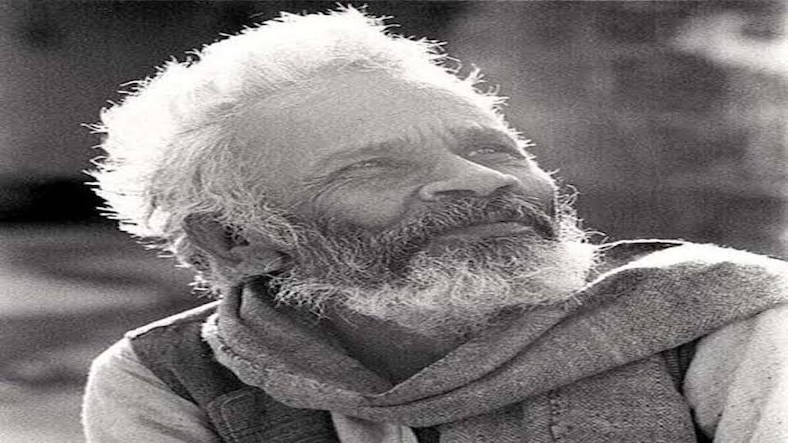
Vaidyanath Mishra, widely celebrated by his pen name Nagarjun, remains one of the most influential voices in modern Indian literature. Known as the “Janakavi” (People’s Poet), Nagarjun’s work stretches across Hindi and Maithili, blending sharp social commentary with intense human emotion. His poems, novels, essays and political writings continue to inspire students, poets and thinkers even today.
Born in 1911 and active through some of India’s most turbulent decades, Nagarjun shaped the progressive literary movement with his bold themes, linguistic mastery and fearless criticism of injustice. His writings often challenged authority, questioned social norms and amplified the struggles of common people — making him one of the most grounded yet intellectually powerful writers of his time.
Early Life and Background
1. Birth and Family
Nagarjun was born as Vaidyanath Mishra on June 30, 1911, in Satlakha village near Darbhanga, Bihar. Growing up in Mithila — a region rich in cultural and linguistic heritage — deeply shaped his early literary interests.
2. Education
He studied at Darbhanga Raj School, followed by higher education at Patna College. The intellectual and political environment of the time helped shape his worldview and nurtured his early interest in philosophy and literature.
Literary Journey and Pen Name
1. Adopting the Name “Nagarjun”
Vaidyanath Mishra adopted the pen name “Nagarjun”, inspired by the ancient Buddhist monk and philosopher. This name symbolized knowledge, rebellion and spiritual depth — themes that would later echo in much of his writing.
2. Writing in Hindi and Maithili
Unlike many writers of his generation, Nagarjun wrote prolifically in two major languages:
- Maithili (his mother tongue)
- Hindi (the language through which he gained national fame)
This bilingual literary mastery earned him an unparalleled position in Indian literature.
3. Breakthrough in Literature
Nagarjun became a household name through poems like:
- “Badal Ko Ghirte Dekha Hai”
- “Yahān Se Dekho”
- “Ratinath Ki Chachi”
- “Patrahin Nagna Gachh”
His works displayed extraordinary range — from fierce political poems to soft, lyrical verses rooted in rural life.
Ideological Influences
1. Socialist and Marxist Thought
Nagarjun was deeply influenced by:
- Socialist ideology
- Marxist philosophy
- Progressive movements of the 20th century
He used poetry as a tool to question:
- Inequality
- Exploitation
- Corruption
- Political oppression
His boldness often put him at odds with authority, but it also earned him the love of the masses.
Themes in Nagarjun’s Work
1. Social Justice
His poems highlighted:
- Farmers’ struggles
- Poverty
- Social inequality
- Political corruption
2. Nature and Rural Life
His upbringing in Mithila gave his poetry:
- Beautiful imagery of rivers, monsoon, fields
- A deep connection with rural landscapes
3. Philosophical Reflection
Many poems explored:
- Human suffering
- Spirituality
- Existential questions
4. Humor and Satire
Nagarjun was known for his witty and sharp social satire, making even serious themes accessible to readers from all walks of life.
Major Works of Nagarjun
Nagarjun’s rich body of work includes poetry, novels, essays and criticism.
1. Notable Poetry Collections
- Badal Ko Ghirte Dekha Hai
- Yahaan Se Dekho
- Patrahin Nagna Gachh
- Agle Halam
- Harigitti
2. Novels and Prose
- Balchanma (Maithili)
- Ratinath Ki Chachi
- Varun Ke Bete
3. Essays and Criticism
His essays reflected:
- Sharp political insights
- Strong social conscience
- Commitment to progressive thinking
Google Ad 1
Nagarjun and the Progressive Writers’ Movement
Nagarjun played a significant role in the Progressive Writers’ Movement, a powerful literary wave that aimed to:
- Promote social reform
- Challenge exploitation
- Encourage political awareness
He was admired for writing in a direct, unfiltered voice that connected instantly with the masses.
Awards and Recognitions
Nagarjun received several prestigious honors for his unparalleled contributions to Indian literature:
- Sahitya Akademi Award
- Padma Bhushan, one of India’s highest civilian awards
- Numerous state and national recognitions for both Hindi and Maithili literature
His literary achievements remain a benchmark in Indian writing.
Personal Life and Later Years
Nagarjun lived a life of simplicity and ideological consistency. He remained deeply connected to rural India, often traveling through villages and gathering real-life experiences that later shaped his poems.
He passed away on November 5, 1998, but his words live on.
FAQs About Nagarjun
1. Who was Nagarjun and why is he famous?
Nagarjun, born Vaidyanath Mishra, was a celebrated Hindi and Maithili poet known for his powerful social commentary, progressive ideology and emotionally rich writing. He is widely regarded as one of the greatest modern Indian poets.
2. What are Nagarjun’s most famous works?
Some of his most famous works include Badal Ko Ghirte Dekha Hai, Balchanma, Yahaan Se Dekho, Ratinath Ki Chachi, and Patrahin Nagna Gachh.
3. What themes did Nagarjun explore in his poems?
His poems focused on social justice, political corruption, rural life, nature, human emotions and philosophical introspection. He often wrote about the struggles of common people.
4. What literary movement was Nagarjun associated with?
Nagarjun was a key figure in the Progressive Writers’ Movement, which promoted social reform and political awareness through literature.
5. Did Nagarjun write in both Hindi and Maithili?
Yes, Nagarjun was a rare bilingual author who wrote extensively in both Hindi and Maithili, gaining equal recognition in both languages.
Conclusion
Nagarjun remains a towering figure in the world of Indian literature. His bold voice, revolutionary ideas and poetic brilliance helped shape the landscape of modern Hindi and Maithili writing. Whether through social satire, emotional depth or political resistance, his works continue to inspire readers, writers and thinkers across generations.
His legacy lives on through the countless poems, novels and essays that continue to be read, studied and celebrated today.
Thanks for reading about this great personality on our Peoples Blog. For more inspiring biographies, explore other articles on our Peoples Blog.


