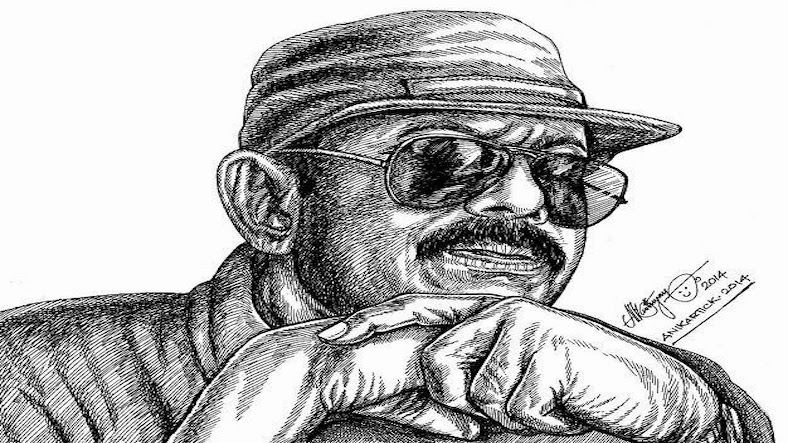
Balu Mahendra (1939–2014) was one of the most influential filmmakers and cinematographers in Indian cinema. His work reshaped the visual language of Tamil and Malayalam films, and his storytelling style inspired several generations of filmmakers. Known for his poetic visuals, emotional depth and realistic approach, Balu Mahendra brought a new artistic sensitivity to Indian films.
This article explores his life, filmmaking journey, technical innovations and lasting legacy.
Early Life and Background
Balanathan Benjamin Mahendran, popularly known as Balu Mahendra, was born on May 20, 1939, in Batticaloa, Sri Lanka. Growing up in the scenic landscapes of Sri Lanka, he developed a strong appreciation for nature and visual beauty. These early influences later became a hallmark of his filmmaking style.
After completing his schooling, Balu Mahendra moved to India to study photography. He later continued his education at the prestigious Film and Television Institute of India (FTII), Pune, where he specialized in cinematography. His training helped him master the technical aspects of filmmaking, especially lighting, camera movement and composition.
His talent soon gained attention, and he began his career as a cinematographer.
Beginning as a Cinematographer
Before becoming a director, Balu Mahendra worked extensively as a cinematographer in Malayalam, Tamil and Kannada films. His camerawork stood out because of:
- Natural lighting
- Beautiful framing
- Smooth camera movement
- A realistic visual approach
- Strong focus on moods and emotions
Some of the films he shot as a cinematographer are considered classics even today. His work in Malayalam cinema, in particular, earned widespread admiration and several National Awards.
During this phase, he realized that cinema was not just a technical medium but a powerful tool to express emotions. This understanding shaped his journey as a director.
Transition to Direction
Balu Mahendra made his directorial debut with the Tamil film Kokila in 1977. The film was a critical and commercial success, and it showcased his unique style, which blended:
- Realistic storytelling
- Strong emotional depth
- Beautiful cinematography
- Simple, relatable characters
Kokila also won National Awards and announced the arrival of a director who could handle both visuals and emotions with equal mastery.
Filmmaking Style: What Made Him Unique
Balu Mahendra was often described as a “visual poet” because of the way he used the camera to express emotions. His filmmaking style had several defining features.
1. Natural Visuals
He preferred natural lighting and realistic locations. Even indoor scenes were shot with minimal artificial lights.
2. Human Relationships
His stories focused on the complexities of human emotions, often portraying love, loneliness, guilt and longing.
3. Simple and Realistic Screenplays
His films avoided loud dialogues and dramatic twists. Instead, they relied on silence, expressions and small moments.
4. Slow-Paced and Gripping Narratives
He believed that emotions needed time to breathe. His films had a slow rhythm but never lost their emotional impact.
5. Strong Female Characters
Balu Mahendra is known for creating some of the most memorable female characters in Tamil and Malayalam cinema.
6. Minimalism
He avoided exaggeration in acting, dialogues, music and visuals. Everything was subtle and meaningful.
This unique style made his films stand out from mainstream cinema.
Notable Films and Their Impact
Across his career, Balu Mahendra directed several acclaimed films. Many of them are considered masterpieces for their storytelling, visual appeal and emotional depth.
1. Moondram Pirai (1982) – Later Remade as Sadma in Hindi
This film is one of his most celebrated works. Starring Kamal Haasan and Sridevi, it explored the emotional connection between a caretaker and a woman suffering from memory loss. The film is remembered for:
- Heart-touching performances
- Soulful music
- Sad yet powerful climax
- Sensitive storytelling
The Hindi remake, Sadma, also became a classic.
2. Veedu (1988)
A realistic film about a middle-class woman struggling to build her own house. The film won multiple National Awards and is still appreciated for its honesty and simplicity.
3. Sandhya Raagam (1989)
This film explored old age, loneliness and family responsibilities. It is known for its emotional depth and realistic approach.
4. Yathra (1985) – Malayalam
A touching story about prison life, love and separation. The film featured strong performances from Mammootty and Shobana and remains one of the most memorable Malayalam films of its time.
5. Marupadiyum (1993)
A film about self-discovery and womanhood. Revathi’s performance and Balu Mahendra’s direction made it an important feminist film in Tamil cinema.
6. Thalaimuraigal (2013)
Balu Mahendra’s final film, where he also played the lead role. The film reflected his own filmmaking style: emotional, simple and visually poetic.
These films show the range of his storytelling and his ability to portray real human emotions with depth.
Google Ad 1
His Innovative Approaches in Cinema
Balu Mahendra was always experimenting with filmmaking techniques. Some of his innovations include:
1. Natural and Low-Light Cinematography
At a time when Indian films used bright lights and crowded sets, his approach was refreshing and realistic.
2. Narrative Simplicity
He believed in telling stories that felt real and relatable. His films avoided dramatic twists and relied on emotional truth.
3. Use of Silence
He used silence as a powerful storytelling tool, allowing viewers to feel the emotions of the characters.
4. Camera as a Character
His camera work was not just for visuals—it expressed thoughts, feelings and atmosphere.
5. Music and Mood
He used background music carefully, ensuring it enhanced the mood without overwhelming the scene.
These techniques are widely studied in film schools even today.
Awards and International Recognition
Balu Mahendra’s contributions earned him several awards from national and international platforms.
His achievements include:
- Multiple National Film Awards for cinematography
- National Awards for direction
- State film awards in Tamil Nadu and Kerala
- Recognition at film festivals in India and abroad
- Critical acclaim from filmmakers and scholars
His work continues to be screened and studied in film institutions.
Contribution to Malayalam Cinema
Although known widely for his Tamil films, Balu Mahendra also made significant contributions to Malayalam cinema. Films like Yathra and his cinematographic work in earlier Malayalam films helped raise the visual quality of the industry.
Many Malayalam filmmakers openly credit him for influencing their filmmaking style.
Balu Mahendra as a Writer
Apart from cinema, Balu Mahendra was a talented writer. He wrote:
- Short stories
- Novels
- Articles on filmmaking
His writing reflected the same emotional depth seen in his films. He observed human behavior closely and expressed it beautifully on paper.
Influence on Future Filmmakers
Many of today’s celebrated filmmakers were inspired by Balu Mahendra. His realistic approach and visual style shaped the careers of several directors.
He also ran a film school in Chennai, where he trained upcoming talents, including director Bala, who later became a major filmmaker.
Generations of directors still study his films to understand cinematography and emotional storytelling.
Legacy of Balu Mahendra
Balu Mahendra passed away on February 13, 2014, but his legacy continues to shine brightly.
His legacy includes:
- Transforming Tamil cinema’s visual style
- Introducing realism and naturalism
- Creating emotionally rich films
- Training future filmmakers
- Raising cinematography standards in Indian cinema
His films are still celebrated for their emotional power, artistic visuals and deep understanding of human relationships.
Conclusion
Balu Mahendra was more than a filmmaker. He was an artist, a thinker and a storyteller who changed the way Indian films looked and felt. His poetic visuals, strong character emotions and unique style made him a true legend of Indian cinema.
Even years after his passing, his films continue to touch audiences and inspire new filmmakers. His contribution remains an essential chapter in the history of Tamil and Malayalam cinema.
Thanks for reading about this great personality on PeoplesBLOG. For more inspiring stories of legendary figures, visit the Great People section on our website.