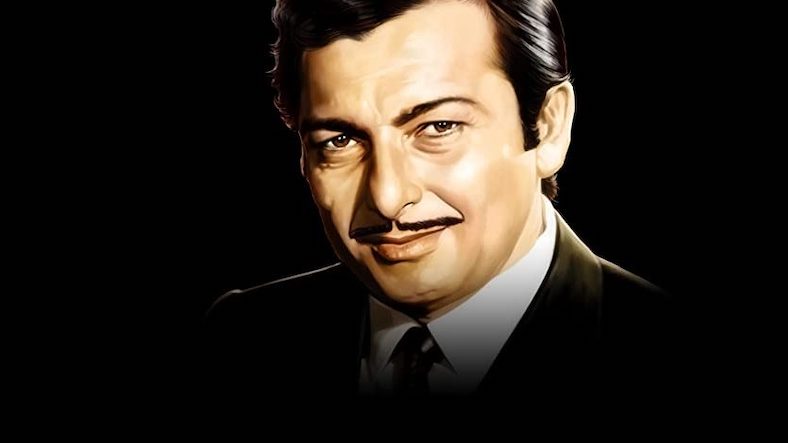
Madan Mohan (1924–1975) is remembered as one of the most gifted and respected music directors in the history of Indian cinema. Known for his soulful, emotional, and classically inspired melodies, he created songs that continue to touch millions of hearts even decades after his passing. His music remains a benchmark for purity, depth, and artistic excellence in Bollywood.
In this article, we explore his life story, his musical journey, his unforgettable songs, and the incredible legacy he left behind.
Early Life and Family Background
Madan Mohan Kohli was born on 25 June 1924 in Erbil, Iraq. His father, Rai Bahadur Chunilal, worked as an accounts officer for the British Indian Army, which is why the family was living abroad at the time of his birth.
When he was still very young, his family moved back to India. He spent his childhood in cities like Lahore and Mumbai, which later exposed him to different musical cultures and traditions.
Even as a child, Madan Mohan showed signs of extraordinary musical talent. He could identify ragas by ear and enjoyed listening to classical concerts, which laid the foundation for the kind of music he would later create.
Musical Training and Early Influences
Madan Mohan received formal training in classical music under Pandit G. L. Jain, a respected musician. This training shaped his musical identity and gave him deep knowledge of Indian ragas.
He was influenced by:
- traditional Hindustani classical music
- ghazals
- thumris
- soft, emotional melodies
Unlike many composers of his time who focused more on popular or fast-paced music, Madan Mohan always stayed rooted in classical-based compositions. His songs carried a sense of calmness, purity, and emotional richness that set him apart from others.
Entry Into the Film Industry
Before becoming a music director, Madan Mohan briefly worked in All India Radio and was also trained for the army during World War II. However, his passion for music eventually brought him to Mumbai to pursue a full-time career in Hindi films.
He began his Bollywood journey in the late 1940s. His first film as a full-fledged music director was “Aankhen” in 1950. The film was noticed for its melodious tunes and introduced him as a promising new composer.
Over the next few years, Madan Mohan established himself as a gifted musician who could create deep, meaningful, and unforgettable melodies.
Signature Style: Soulful, Emotional, and Unmatched
Madan Mohan’s music is often described as:
- soulful
- haunting
- emotionally touching
- rooted in classical ragas
- rich in lyrical value
He had a rare ability to bring out the purest expressions of sadness, longing, romance, and inner conflict through his compositions. His music was never loud or commercial. He believed in letting the melody breathe, allowing the listener to feel every note.
1. His Strength: Ghazals
Madan Mohan was widely celebrated for his mastery over ghazals. In fact, he is considered one of the finest ghazal composers in Hindi cinema. His ghazals were not only melodious but also rich in meaning and emotion.
Some of his best ghazals are sung by Lata Mangeshkar, who shared a special musical understanding with him.
Legendary Collaborations
Throughout his career, Madan Mohan worked with some of the greatest singers and lyricists in Hindi cinema.
1. Lyricists he worked with:
- Raja Mehdi Ali Khan
- Kaifi Azmi
- Rajendra Krishan
These lyricists perfectly complemented his style, as their poetry carried the emotional depth his melodies demanded.
2. Singers he shaped and elevated:
- Lata Mangeshkar
- Mohammed Rafi
- Talat Mahmood
- Asha Bhosle
- Manna Dey
Among these, his partnership with Lata Mangeshkar stands out as legendary. She often said that Madan Mohan was one of the best composers she ever worked with. Their understanding produced some of the most iconic songs in Indian music history.
Notable Films and Evergreen Songs
Madan Mohan may not have given hundreds of films, but whatever he created has remained timeless.
Some of his most memorable films include:
1. Woh Kaun Thi? (1964)
Known for haunting melodies like:
- Lag Ja Gale
- Naina Barse Rimjhim
These songs are considered some of the greatest compositions in Indian cinema.
2. Anpadh (1962)
A film known for emotional songs such as:
-
Aap Ki Nazron Ne Samjha
This remains one of Lata Mangeshkar’s most praised performances.
3. Haqeeqat (1964)
His patriotic compositions added depth to this war film.
- Ab Tumhare Hawale Watan Saathiyo
- Kar Chale Hum Fida
4. Dastak (1970)
Songs like:
- Baiyan Na Dharo
- Mai Ri Main Kase Kahoon
These ghazal-style compositions showed his exceptional command over emotional music.
5. Chori Chori and Chote Nawab
These films further established his mastery over melody-driven music.
Google Ad 1
Unreleased Gems: Madan Mohan’s “Unfinished Symphony”
One of the most fascinating parts of Madan Mohan’s career is the collection of beautiful compositions he created for films that were never released. These songs remained hidden for decades and were later discovered and compiled.
They were introduced to the public as “Madan Mohan’s Unfinished Symphony”. These compositions proved that even his unreleased work carried the same level of perfection and emotional brilliance.
His family and music lovers helped preserve and present these masterpieces to the world. Many modern listeners discovered his genius through these unreleased tunes.
Recognition and Awards
Throughout his life, Madan Mohan did not receive the recognition he truly deserved. Despite his immense talent and popularity among musicians, he never won a Filmfare Award during his lifetime.
However, the Indian film industry acknowledged his contribution much later. In 2010, decades after his death, he was posthumously awarded the Filmfare Lifetime Achievement Award, honoring his outstanding contribution to Indian music.
This award symbolized the love and respect that generations of listeners continue to have for him.
Personal Life and Challenges
Madan Mohan faced several struggles in his professional life. Many producers and studios preferred more commercially oriented music, while his classical style was considered too refined for mass appeal.
This led to several missed opportunities despite his exceptional talent.
However, he remained devoted to his work. His focus was always on quality, not quantity. He believed that a composer should create music that touches the soul, not just the ears.
Death and the Loss to Indian Music
Madan Mohan passed away on 14 July 1975 at the age of 51. His sudden death was a huge loss to the music world. He left behind a treasure of compositions that continue to inspire musicians, singers, and music lovers across generations.
Even after his passing, his music lived on. In 2004, some of his unused compositions were adapted for the film Veer-Zaara by his son Sanjeev Kohli, resulting in massive hits like:
- Tere Liye
- Do Pal
These songs introduced Madan Mohan’s name to a new generation of listeners.
Legacy: Why Madan Mohan Still Lives in Our Hearts
Madan Mohan’s legacy is unique and long-lasting. His music:
- remains relevant
- is often reinterpreted by new singers
- continues to be played on radio and television
- is taught to music students
- inspires new composers and musicians
His compositions stand the test of time because they are built on:
- pure melody
- strong classical foundation
- emotional honesty
- poetic lyrics
- deep understanding of human feelings
He is remembered today as the Ghazal King of Hindi Cinema and one of the greatest melody-makers India has produced.
Conclusion
Madan Mohan was not just a music director. He was a creator of emotions, a master of melody, and a composer whose work will forever remain timeless. His songs continue to touch hearts, reminding us that true music never gets old.
From haunting melodies to romantic ghazals, his contributions enriched Hindi cinema in ways that few others could. His dedication, purity, and artistic excellence make him a legendary figure in Indian music.
For more inspiring articles on great personalities, explore other stories on PeoplesBLOG.


