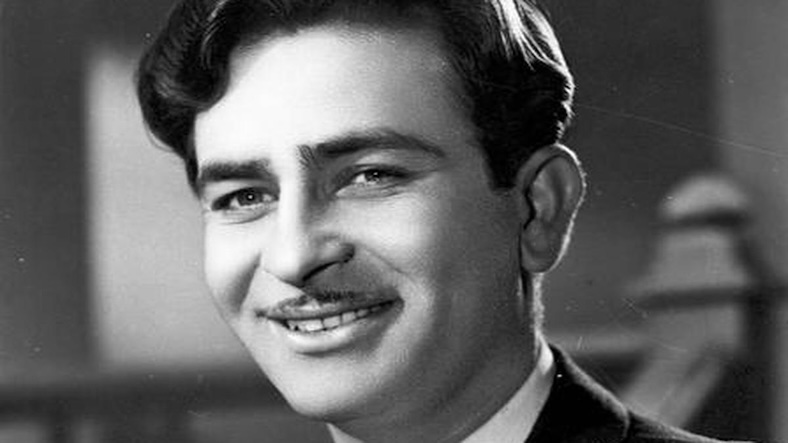
Raj Kapoor (1924–1988) remains one of the most iconic figures in the history of Indian cinema. Fondly known as the "Showman of Indian Cinema," he was not only a celebrated actor but also a visionary director and producer. Raj Kapoor’s films combined entertainment, social themes, and emotional storytelling, making him a pioneer in Hindi cinema. Even decades after his passing, his work continues to inspire filmmakers and captivate audiences worldwide.
Early Life and Family Background
Raj Kapoor was born on December 14, 1924, in Peshawar, British India (now in Pakistan), into the legendary Kapoor family, a dynasty that has shaped Indian cinema for generations. He was the eldest son of Prithviraj Kapoor, a respected actor and theater personality. Growing up in a family immersed in the performing arts, Raj Kapoor was naturally drawn to acting and filmmaking from an early age. His exposure to stage plays and early films nurtured his creativity and storytelling skills.
Acting Debut and Iconic Roles
Raj Kapoor made his acting debut at the age of 11 in the film "Inquilab" (1935). Over the years, he became known for his versatility, charisma, and emotive performances. He played a wide range of characters, from romantic heroes to socially conscious individuals.
1. Notable Performances
- "Awaara" (1951): Portrayed a misunderstood youth; the film highlighted poverty and social inequality and became a global success.
- "Shree 420" (1955): Explored themes of urban corruption and morality, becoming an iconic classic in Hindi cinema.
- "Mera Naam Joker" (1970): A personal film of Raj Kapoor, depicting the life of a clown hiding his pain behind a smile.
Raj Kapoor’s acting was characterized by his expressive eyes, natural charm, and ability to connect deeply with audiences, earning him widespread admiration in India and abroad.
Film Direction and Production
Raj Kapoor was not only a remarkable actor but also a visionary filmmaker. He founded his production company, RK Films, in 1948, producing films that were technically innovative and socially meaningful.
1. Renowned Films by Raj Kapoor
- "Awaara" (1951): Addressed class divides and societal challenges.
- "Shree 420" (1955): Highlighted the conflict between honesty and corruption.
- "Sangam" (1964): Explored friendship, love, and betrayal.
- "Bobby" (1973): A trend-setting teen romance that resonated with young audiences and launched new stars.
His filmmaking style blended emotional storytelling, social commentary, music, and dramatic visuals, establishing him as a pioneer in Indian cinema.
Focus on Social Themes
Many of Raj Kapoor’s films were socially conscious, addressing relevant issues while remaining entertaining. Common themes in his films included:
- Poverty and economic disparity
- Urban struggles and morality
- Love and relationships across social classes
- Hope, resilience, and humanism
His films were celebrated for their emotional depth and universal themes, making him a filmmaker with a conscience.
Global Recognition
Raj Kapoor’s films were not only popular in India but also gained international acclaim. Movies like "Awaara" and "Shree 420" were widely watched in the Soviet Union, Middle East, and Africa. His portrayal of social issues and the common man resonated with audiences worldwide, earning him international fame and making him one of the first Indian filmmakers to achieve global recognition.
Google Ad 1
Music and Song Legacy
Music was integral to Raj Kapoor’s films. Collaborating with Shankar-Jaikishan, he created songs that became timeless classics:
- “Awara Hoon” – Anthem of hope and resilience.
- “Pyaar Hua Iqraar Hua” – Romantic duet from Shree 420.
- Bobby soundtrack – Captured youthful love and emotions.
His films demonstrated how music, narrative, and performance could be seamlessly combined to enhance cinematic storytelling.
Personal Life
Raj Kapoor married Krishna Kapoor and had five children: Randhir Kapoor, Rishi Kapoor, Rajiv Kapoor, Ritu Nanda, and Rima Jain. Many of his children continued the family legacy in Bollywood, sustaining the Kapoor dynasty’s prominence. Despite his immense fame, Raj Kapoor was known for his humility, generosity, and dedication to filmmaking, often mentoring young talent in the industry.
Legacy and Influence on Indian Cinema
Raj Kapoor’s contributions shaped the course of Hindi cinema. His influence includes:
- Pioneering socially conscious films
- Introducing innovative storytelling and technical methods
- Elevating music and choreography in movies
- Inspiring generations of actors, directors, and producers
Even today, Raj Kapoor is remembered as a cinematic visionary whose work reflected the hopes, struggles, and emotions of the common people.
Death and Remembrance
Raj Kapoor passed away on June 2, 1988, leaving a legacy that continues to inspire filmmakers and audiences. He is remembered as the Showman of Indian Cinema, a symbol of creativity, empathy, and cinematic brilliance. His films continue to entertain and educate, making him an enduring icon of Bollywood.
Conclusion
Raj Kapoor’s life and work embody passion, innovation, and social responsibility in cinema. As an actor, director, and producer, he created films that combined entertainment with meaningful messages, leaving a timeless impact on Indian and global cinema. His artistry, dedication, and vision make him a legendary figure in the history of Bollywood, whose influence continues to resonate with audiences and filmmakers alike.
Thanks for reading the about this great personality on our peoples blog, for more such great people read our peoples blog articles.