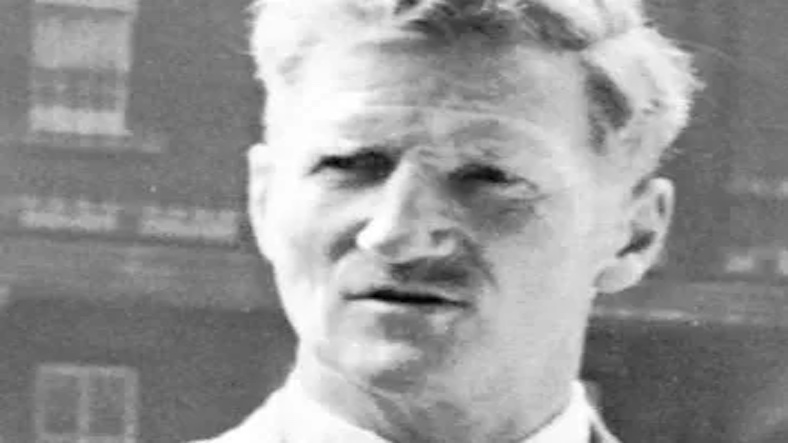
John Hunt, Baron Hunt (1910–1998), is remembered as one of the most influential figures in the history of mountaineering. He was the leader of the legendary 1953 British Everest Expedition, the team that helped Sir Edmund Hillary and Tenzing Norgay become the first people in history to reach the summit of Mount Everest. His leadership, planning and organisation played a central role in making one of humanity’s greatest achievements possible.
This article explores John Hunt’s early life, military career, mountaineering achievements, leadership style, major contributions, and the legacy he left behind.
Early Life and Background
1. Birth and Family
John Hunt was born on June 22, 1910, in British India. As the son of a British Army officer, Hunt spent much of his childhood traveling from one place to another. This introduced him to the outdoors early in life, shaping his love for adventure and physical challenges.
2. Education and Early Interests
Hunt studied at Marlborough College and later attended the Royal Military College, Sandhurst.
During his youth, he developed strong interests in:
- Hiking
- Climbing
- Outdoor exploration
- Physical fitness
These early experiences prepared him for the world of mountaineering, long before he ever set foot in the Himalayas.
Military Career and Mountaineering Beginnings
1. British Army Career
Hunt joined the British Army and served with distinction. He held various roles during his military service, developing:
- Leadership skills
- Strategic planning abilities
- Experience in managing teams under pressure
- Strong physical discipline
These qualities would later prove valuable in his mountaineering career.
2. Early Mountaineering Expeditions
Before the Everest expedition, Hunt participated in several climbing and mountaineering adventures in Europe and other parts of the world.
He gained experience in:
- Ice climbing
- High-altitude climbing
- Long-distance trekking
- Winter mountaineering
His blend of military discipline and mountaineering skill made him a natural leader for future expeditions.
The Road to Everest: Choosing Hunt as Leader
By the early 1950s, climbing Mount Everest had become a major goal for the British climbing community. Several attempts from 1922 to 1952 had failed due to harsh conditions and lack of proper planning. When the time came to select a leader for the 1953 British Everest Expedition, John Hunt was chosen because of his:
- Strong leadership experience
- Ability to manage large teams
- Skill in planning logistics
- Calm decision-making abilities
- Previous mountaineering background
He was not the most technically skilled climber on the team, but he was the best person to lead others to success.
The 1953 British Mount Everest Expedition
1. Planning and Preparation
The 1953 Everest expedition required enormous preparation. Hunt and his team had to manage:
- Route planning
- Oxygen systems
- Camps and food supplies
- Team selection
- Safety measures
- Equipment testing
- Weather forecasting
Hunt’s organisation turned a massive challenge into a coordinated plan, giving the team their best chance at success.
2. Teamwork and Structure
The team included many skilled climbers, including:
- Sir Edmund Hillary
- Tenzing Norgay
- Tom Bourdillon
- Charles Evans
- George Lowe
- Wilfrid Noyce
Hunt divided the team into groups responsible for different tasks, such as carrying supplies, preparing high camps and pushing toward the summit. His teamwork-focused approach ensured that everyone’s strengths were used effectively.
3. Challenges on the Mountain
The expedition faced major obstacles:
- Extremely cold temperatures
- High winds
- Unpredictable weather
- Dangerous ice formations
- Short supply of oxygen
- Fatigue and altitude sickness
Despite these difficulties, Hunt maintained team morale and made careful decisions to keep everyone safe.
4. The Summit Success: May 29, 1953
On May 29, 1953, Edmund Hillary and Tenzing Norgay reached the summit of Mount Everest, becoming the first known humans to stand on the highest point on Earth.
Although Hunt did not climb to the summit himself, the success of the entire mission depended heavily on his:
- Planning
- Leadership
- Organisation
- Ability to inspire teamwork
The achievement captured global attention and was celebrated as a major milestone in human exploration.
Google Ad 1
After Everest: Continued Career and Contributions
1. Military Service
After the Everest expedition, Hunt continued his service in the British Army. His leadership abilities were widely recognized, and he held several senior positions.
2. Duke of Edinburgh’s Award Scheme
Hunt later became the Director of the Duke of Edinburgh’s Award Scheme, an international youth program that encourages:
- Outdoor adventure
- Physical fitness
- Skill building
- Personal development
Under his leadership, the program expanded significantly and impacted millions of young people.
3. Author and Speaker
Hunt wrote several books, with the most famous being “The Ascent of Everest” (1953). The book became a classic in mountaineering literature, offering:
- A detailed account of the Everest expedition
- Insight into team decision-making
- Descriptions of the severe challenges faced
- An honest look at leadership under pressure
He also gave public lectures and supported mountaineering education throughout his life.
Awards, Honors and Recognition
John Hunt received many prestigious awards in recognition of his achievements.
1. Knighthood
In 1953, soon after the Everest expedition’s success, Hunt was knighted by Queen Elizabeth II.
2. Life Peerage
In 1966, he was made a life peer as Baron Hunt of Llanfair Waterdine, allowing him to serve in the House of Lords.
3. Other Honors
He was also awarded:
- The Gold Medal of the Royal Geographical Society
- The Founder’s Medal of the Royal Geographical Society of Australasia
- Several international mountaineering and leadership awards
His contribution to adventure, exploration and youth development earned him global appreciation.
Leadership Style and Qualities
Hunt is remembered for his distinct leadership style, marked by:
1. Calmness Under Pressure
He made balanced decisions even in life-threatening conditions.
2. Strong Team Management
He understood team strengths and used each member’s abilities effectively.
3. Clear Strategic Planning
Hunt’s large-scale planning helped the 1953 expedition run smoothly.
4. Respect for Others
He valued the role of Sherpas, climbers and support staff equally.
5. Commitment to Safety
He believed that reaching the summit meant nothing if lives were lost in the process.
Legacy of John Hunt, Baron Hunt
John Hunt left a lasting legacy that continues to inspire mountaineers, adventurers and leaders.
1. Pioneer of High-Altitude Leadership
His leadership on the 1953 Everest expedition is often studied as a model for managing extreme challenges.
2. Supporter of Young People
Through the Duke of Edinburgh’s Award Scheme, millions of young people gained confidence and skills.
3. Contributor to Mountaineering Literature
His writings continue to guide climbers and adventure enthusiasts.
4. Respected Worldwide
Hunt’s role in one of the greatest achievements in human history ensures that his name remains respected across the world.
Conclusion
John Hunt, Baron Hunt, was more than the leader of the 1953 Everest expedition. He was a skilled mountaineer, a brilliant organizer, a military leader and a mentor to generations of young people. His careful planning and strong leadership helped make the first successful Everest summit possible, marking a defining moment in exploration history.
His legacy lives on in mountaineering history, youth development programs and the inspirational story of human determination. Hunt’s life continues to motivate climbers, adventure lovers and leaders around the world.
Thank you for reading this article on PeoplesBLOG. For more inspiring biographies of great personalities, explore other articles on our blog.