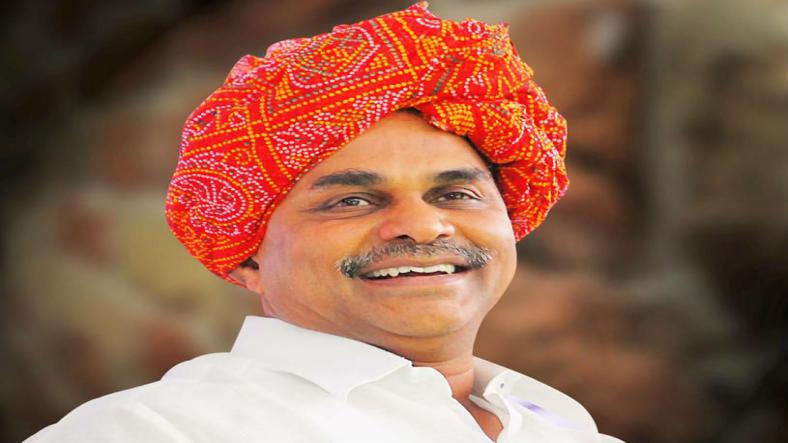
Yeduguri Sandinti Rajasekhara Reddy (1949–2009), popularly known as YSR, was one of the most influential political leaders in the history of Andhra Pradesh. Serving as the 14th Chief Minister for two consecutive terms (2004–2009), YSR became a symbol of welfare-driven governance and people-centric leadership. His revolutionary schemes in healthcare, irrigation, education, and rural development transformed millions of lives and set new benchmarks for governance in India.
Early Life and Education of YSR
YSR was born on 8 July 1949, in Pulivendula in the Kadapa district of Andhra Pradesh, into a respected Christian family. His father, Y. S. Raja Reddy, was a well-known community leader who greatly influenced YSR’s values and passion for public service.
After completing his schooling in his hometown, YSR pursued an MBBS degree from Andhra Medical College, Visakhapatnam. Although he practiced medicine briefly, his strong desire to uplift the underprivileged soon drew him into politics.
YSR’s Entry Into Politics
YSR’s political journey began in 1978, when he was elected as an MLA from Pulivendula on the Indian National Congress (INC) ticket. From the very beginning, he focused on grassroots issues such as agriculture, irrigation, farmer welfare, and rural development.
Key Highlights of His Political Career
- Served four terms as MLA and four terms as MP from Kadapa.
- Held several ministerial roles in both state and central governments.
- Became the Andhra Pradesh Congress Committee (APCC) President, displaying strong organizational leadership.
- Emerged as one of the most powerful Congress leaders in South India.
His consistent connection with people and commitment to developmental politics laid the foundation for his future leadership.
Chief Minister Tenure (2004–2009): Transformational Governance
YSR became the Chief Minister of Andhra Pradesh in 2004, leading the Congress Party to a massive victory after a 1,400 km Padayatra that connected him deeply with the masses. His governance model was based on welfare, transparency, and inclusive development.
Major Welfare Schemes Introduced by YSR
1. Aarogyasri Health Scheme
One of YSR’s most celebrated achievements, the Aarogyasri scheme offered free healthcare and medical insurance to low-income families. It enabled lakhs of families to access life-saving surgeries and advanced medical treatments without financial burden.
2. Jalayagnam
A massive irrigation project aimed at completing major and minor irrigation works, ensuring water supply for agriculture. It uplifted farmers, increased crop yields, and improved livelihood stability across drought-prone regions.
3. Fee Reimbursement Scheme
This transformative scheme supported lakhs of economically weaker students by reimbursing college and university fees, enabling many first-generation learners to pursue higher education.
4. Indiramma Housing Scheme
A housing program focused on providing affordable homes to poor families in both rural and urban areas. It played a key role in reducing homelessness and improving living standards.
5. Pavala Vaddi Scheme
Under this initiative, loans at subsidized interest rates (0.25%) were offered to self-help groups and small entrepreneurs, promoting financial independence and rural economic growth.
YSR’s welfare programs continue to be benchmarks for pro-poor governance even today.
YSR’s Padayatra: The Turning Point
In 2003, YSR undertook a historic Padayatra (foot march) covering over 1,400 km across Andhra Pradesh.
During this journey, he:
- Interacted with thousands of farmers, laborers, and villagers
- Understood real on-ground problems
- Earned massive public trust and emotional connect
This Padayatra is widely considered the turning point that led to Congress’ stunning victory in the 2004 elections.
Google Ad 1
Tragic Death and Aftermath
On 2 September 2009, YSR died in a tragic helicopter crash in the Nallamala Forest while en route to a government program. His sudden death shocked the entire nation, triggering widespread grief across Andhra Pradesh.
Millions mourned the loss of a leader who genuinely cared for their welfare. His passing created a massive void in state politics.
Family and Personal Life
YSR was married to Y. S. Vijayalakshmi, with whom he had two children:
- Y. S. Jagan Mohan Reddy – later became Chief Minister of Andhra Pradesh
- Y. S. Sharmila – a political leader and founder of her own party
YSR was widely known for his humility, discipline, and strong Christian faith. Despite holding powerful positions, he always maintained close ties with his family and the public.
Awards, Honours & Recognition
Although most of YSR’s contributions were recognized within Andhra Pradesh, his welfare-driven leadership model received nationwide appreciation. Many institutions, schemes, statues, and public places have been named in his honor.
Quick Overview
| Category | Details |
|---|---|
| Full Name | Yeduguri Sandinti Rajasekhara Reddy |
| Popular Name | YSR |
| DOB | 8 July 1949 |
| Birthplace | Pulivendula, Kadapa District |
| Occupation | Politician, Medical Doctor |
| Party | Indian National Congress |
| Chief Minister Tenure | 2004–2009 |
| Major Schemes | Aarogyasri, Jalayagnam, Fee Reimbursement, Indiramma Housing |
| Died | 2 September 2009 |
| Cause of Death | Helicopter Crash |
Legacy of YSR
YSR’s governance continues to influence Andhra Pradesh politics even today. His welfare schemes improved healthcare, education, irrigation, and rural livelihoods. Many of his programs became national models and inspired similar schemes across other states.
He is remembered as a visionary leader, people's champion, and a symbol of social justice.
FAQs
1. Who was Y. S. Rajasekhara Reddy (YSR)?
YSR was the 14th Chief Minister of Andhra Pradesh known for his welfare-driven leadership and impactful public policies.
2. What was the major achievement of YSR as Chief Minister?
His major achievement was the introduction of Aarogyasri, a free health insurance scheme for poor families.
3. What is YSR famous for?
He is famous for welfare schemes, farmer support programs, irrigation projects, and his 2003 Padayatra.
4. How did YSR die?
He died in a helicopter crash on 2 September 2009 in the Nallamala Forest region.
5. What was YSR’s Padayatra?
A 1,400 km foot march during which he connected with lakhs of people across Andhra Pradesh, which helped Congress win the 2004 elections.
6. What schemes did YSR introduce?
Aarogyasri, Jalayagnam, Fee Reimbursement, Pavala Vaddi, Indiramma Housing, and several others.
7. Who are YSR’s children?
Y. S. Jagan Mohan Reddy and Y. S. Sharmila.
Conclusion
Y. S. Rajasekhara Reddy (YSR) remains one of the most beloved leaders in Andhra Pradesh’s history. His compassionate governance, transformative schemes, and deep connection with people secured him a permanent place in the hearts of millions. Though his life ended tragically, his ideals and policies continue to shape the state even today.
If you want to read more inspiring stories and biographies of great personalities, explore more articles on PeoplesBLOG.