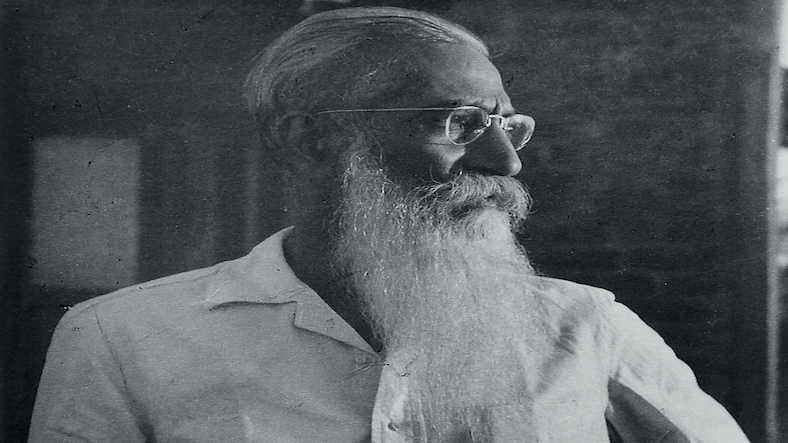
Baburao Painter (1890–1954) stands among the earliest visionaries of Indian cinema. He was a director, producer, actor, screenwriter and a true innovator who helped lay the foundation for the Indian film industry. His contributions to Marathi cinema and the silent film era are considered groundbreaking, and his creative efforts played a key role in shaping how films were made in India during the early 20th century.
This article explores Baburao Painter’s life, achievements, filmmaking techniques, challenges and his long-lasting influence on Indian cinema.
Early Life and Background
Baburao Painter was born on June 3, 1890, in Kolhapur, Maharashtra. During his early years, Kolhapur was an active centre for arts, theatre and cultural activities. Marathi theatre was especially popular, and Baburao grew up surrounded by performances, plays and stage artists.
Before entering films, he began his career as an actor in Marathi theatre. Acting on stage helped him develop:
- A strong sense of timing
- An understanding of dramatic expression
- Skills in visual presentation
- A passion for storytelling
These experiences played a major role in shaping his future as a filmmaker.
Entry Into the World of Films
Baburao Painter’s entry into cinema came from his curiosity about visual storytelling. At a time when cinema was still new in India, he was fascinated by the idea of capturing stories on screen. His talent as an artist and his interest in technical innovations encouraged him to explore filmmaking.
In 1925, he directed his first film, Savkari Pash, which is often considered one of the earliest Marathi films. The film won appreciation for its realistic portrayal of social issues, particularly the struggles of farmers who were trapped in the moneylending system. This film was important because:
- It brought realism to Indian cinema
- It addressed a meaningful social issue
- It showed the potential of films as a medium of awareness
Savkari Pash marked the beginning of Baburao Painter’s career as a film director and established him as a leading creative force in Indian cinema.
Contributions During the Silent Film Era
Baburao Painter worked during the silent film era, a time when films did not have recorded dialogue. During this period, filmmakers had to depend heavily on visuals, expressions and gestures to tell a story.
Painter stood out because he understood the visual language of cinema better than many others of his time. His silent films were praised for:
- Strong visual storytelling
- Clear emotions communicated without dialogues
- Well-designed scenes and sets
- Smooth camera work
- Creative use of lighting and shadows
His silent films became examples of how powerful cinema could be without the use of sound.
Technical Innovation and Filmmaking Style
One of the biggest contributions of Baburao Painter was his technical skill. He was not only a director but also a technician, painter, and designer. His understanding of art helped him experiment with different aspects of filmmaking.
Some of his technical innovations included:
1. Camera Movements
He was one of the early Indian filmmakers to experiment with camera movements instead of keeping the camera static. This made scenes more dynamic and engaging.
2. Creative Editing
He explored editing techniques that improved the pace and flow of storytelling. His cuts and transitions were ahead of their time.
3. Special Effects
Even with limited technology, he experimented with basic visual effects. These helped create scenes from mythology, historical battles and dramatic moments.
4. Set Design and Props
As a trained artist, he designed many of the sets himself. His attention to detail gave his films a unique visual identity.
5. Makeup and Costumes
Painter personally worked on makeup and costumes to ensure that the characters matched the tone of the story. His practical skills made his films visually appealing.
Because of these innovations, Baburao Painter is often referred to as a “complete filmmaker,” someone who understood every layer of the cinematic craft.
Themes and Subjects in His Films
Baburao Painter did not restrict himself to a single type of story. His films covered a wide range of subjects.
He worked on:
- Literary adaptations
- Folklore-inspired stories
- Indian mythology
- Historical events
- Social issue–based themes
He often adapted stories from well-known epics and Marathi literature. His focus was always on telling meaningful stories that connected with the emotions of the audience. Whether it was mythology or social reform, his films had a clear message and strong narrative structure.
Google Ad 1
Notable Films and Their Impact
Baburao Painter directed several important films that contributed to the growth of Marathi and Indian cinema.
Some of his major works include:
1. Savkari Pash (1925)
A realistic social drama that brought attention to the struggles of poor farmers. It is considered one of the earliest Indian films with a strong social message.
2. Sati Savitri (1927)
Based on a popular mythological story, this film was appreciated for its emotional depth and visual presentation. The film helped popularize mythological cinema in India.
3. Lanka Dahan (1929)
Another mythological film that fascinated audiences with its special effects and powerful storytelling.
4. Sinhagad (1932)
A historical film based on the life of Maratha warrior Tanaji Malusare. The film showcased Painter’s ability to handle action and patriotic themes.
These films played a major role in developing regional cinema and establishing Marathi films as an important part of Indian filmmaking.
Chitralekha Studios: A Landmark Contribution
In 1929, Baburao Painter founded Chitralekha Studios in Kolhapur. This studio became one of the earliest major film production centers in India. It supported many filmmakers, technicians and actors who later became successful.
Chitralekha Studios contributed by:
- Offering training to new directors
- Providing equipment and space for filming
- Creating a structured film production environment
- Encouraging experimentation in cinema
The studio helped build Kolhapur as a significant filmmaking hub in India and played a key role in shaping Marathi cinema.
Transition to Sound and New Challenges
When sound was introduced in Indian cinema in the early 1930s, many silent film directors faced difficulties. Baburao Painter also found the transition challenging because:
- Sound recording was a new technology
- Scripts had to include dialogues
- Filmmakers had to adapt to new equipment
- Audience expectations changed
However, even with these challenges, Painter continued to work and learn. Although sound films reduced his creative freedom compared to silent films, his dedication to cinema never faded.
His ability to adapt during a major industry shift shows his passion and commitment to filmmaking.
Legacy and Influence on Indian Cinema
Baburao Painter’s contributions continue to influence Indian cinema even today.
His legacy can be seen in:
1. Visual storytelling techniques
Modern filmmakers still study his work to understand the art of visual communication.
2. Early technical innovations
Many film techniques used today have origins in the methods he experimented with during the silent era.
3. Growth of Marathi cinema
He played a key role in establishing Marathi films as an important part of Indian cinema.
4. Inspiration for future filmmakers
Legends like V. Shantaram and several other directors were influenced by his style and approach.
5. Building Kolhapur’s film culture
Chitralekha Studios helped turn Kolhapur into a filmmaking hub, which contributed to the growth of Indian cinema.
Baburao Painter is remembered as one of the earliest Indian filmmakers who combined art, creativity and technical knowledge to build a strong foundation for future generations.
Conclusion
Baburao Painter was not just a filmmaker; he was a visionary who understood cinema at a time when it was still developing in India. His contributions to silent films, his creative experiments, his establishment of Chitralekha Studios and his dedication to storytelling make him one of the most important figures in Indian film history.
His work laid the groundwork for the vibrant, diverse and growing Indian cinema that we see today. Even decades after his passing, his films, style and innovations continue to inspire filmmakers, historians and film lovers.
Thanks for reading about this great personality on PeoplesBLOG. For more inspiring stories about iconic figures, visit the Great People section on our website.