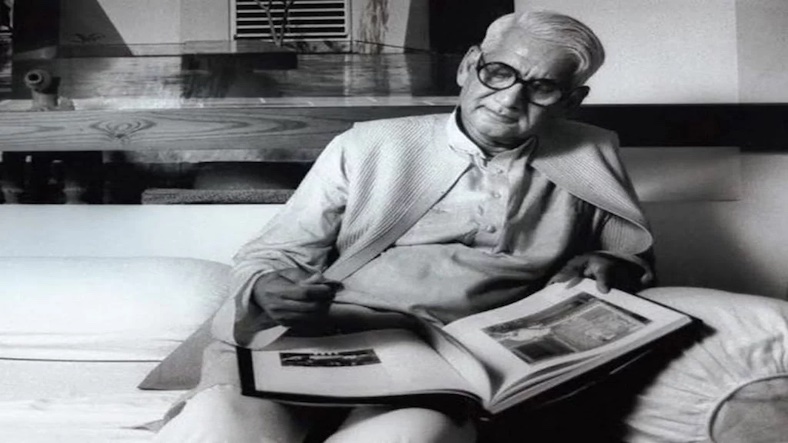
Charles Correa (1930–2015) is widely regarded as one of the most influential architects and urban planners in India. His work transformed the way buildings, cities and public spaces were designed in independent India. Over several decades, Correa introduced ideas that blended modern architecture with Indian culture, climate and lifestyle. His designs were not just visually appealing, but also practical, sustainable and created with deep understanding of how people live and interact.
Today, Charles Correa is celebrated around the world for his thoughtful approach to architecture and his contributions to urban planning. His designs continue to inspire young architects, students, researchers and city planners. This article takes you through his life, vision, important works and his lasting legacy.
Early Life and Education
Charles Correa was born on September 1, 1930, in Secunderabad, India. From a young age, he showed a strong interest in art, design and how physical spaces influence human life. This passion led him to pursue architecture.
He completed his Bachelor’s degree in architecture at the University of Michigan. After that, he studied at the Massachusetts Institute of Technology (MIT), one of the world’s leading institutions for architecture and design. These educational experiences shaped his thinking and exposed him to global architectural movements.
However, even while learning abroad, Correa always remained closely connected to Indian culture. This helped him develop an architectural style that combined international knowledge with deep Indian sensibilities.
Beginning of His Architectural Career
After returning to India in the mid-1950s, Charles Correa began his professional journey. His early work already showed his unique vision. Unlike many architects of his time who followed Western styles blindly, Correa believed that Indian architecture needed its own identity.
He focused on questions like:
How do people in India use space?
How does the climate affect buildings?
How can traditional Indian design elements be adapted for modern buildings?
His answers to these questions laid the foundation for an entirely new architectural language in India.
Design Philosophy: Modern Architecture Rooted in India
One of the biggest reasons Charles Correa became so influential was his design philosophy. He believed architecture must be shaped by the place where it is built. For India, this meant:
1. Climate-responsive design
India has strong sunlight, heavy rains in many regions and warm temperatures. Correa designed buildings that used natural light, cross-ventilation, open courtyards and shading to reduce heat and improve comfort. This approach later became known as sustainable design, long before sustainability became a global discussion.
2. Cultural relevance
Correa often included elements from Indian tradition such as:
- courtyards
- verandahs
- terraces
- outdoor–indoor transitions
He believed buildings should reflect the lifestyle and culture of people.
3. Human-centered architecture
For Correa, the most important part of a building was the user. He designed spaces that improved the everyday life of people—be it residents, office workers, students or visitors.
4. Simplicity and functionality
His designs were modern but not overly complex. He preferred clean lines, natural materials and spaces that served a clear purpose.
Notable Architectural Works of Charles Correa
Charles Correa worked on many important projects across India and abroad. His buildings are known for their thoughtful layouts and meaningful designs.
Here are some of his major works:
1. Jawahar Kala Kendra, Jaipur
One of his most iconic projects, this cultural center is based on the ancient Indian cosmic diagram called the Vastu Purusha Mandala. Each section represents a specific planet or concept. The center includes museums, theaters, art galleries and open courtyards. It beautifully blends traditional Rajasthani influences with modern architecture.
2. Kanchanjunga Apartments, Mumbai
This high-rise residential building is considered a masterpiece of climate-sensitive architecture. Correa designed deep balconies and shaded spaces to protect residents from Mumbai’s heat. Each apartment feels like a villa in the sky, with plenty of natural airflow and light.
3. Mahatma Gandhi Memorial, Ahmedabad
This memorial is a peaceful, spiritual space dedicated to Mahatma Gandhi. Correa used simple materials and open spaces to reflect Gandhi’s life of simplicity. The memorial creates a calm environment for reflection and understanding Gandhi’s philosophy.
4. Vidhan Bhavan, Bhopal
The legislative building in Bhopal is an important example of Correa’s skill in designing public buildings. It combines Islamic and Hindu architectural influences found in Madhya Pradesh’s history. The structure is monumental yet welcoming, built for democracy and public use.
5. Champalimaud Centre for the Unknown, Portugal
Correa’s influence extended beyond India. This research center in Lisbon, Portugal, is one of his internationally recognized works. It is modern, striking and designed to inspire scientists working on medical research.
Google Ad 1
Contributions to Urban Planning
Charles Correa was not only an architect but also a major urban planner. He understood that cities were growing rapidly and would face many challenges. He believed urban planning must consider housing, transportation, open spaces and human needs together. Some of his important contributions include:
1. Urban housing for low-income families
Correa designed several affordable housing projects. His layouts were simple, cost-effective and created a sense of community. He believed every family, no matter their income, deserved a dignified living space.
2. Navi Mumbai Planning
Correa was one of the key planners behind Navi Mumbai, one of the world’s largest planned cities. The project helped reduce pressure on Mumbai and provided a more organized urban alternative.
3. Public spaces
He advocated strongly for open public spaces—parks, plazas, walkways and gathering areas. Correa believed that cities should be designed for people, not just vehicles and buildings.
4. Conceptual Framework for Urban Planning
His published work on urban planning became a reference for planners across the world. It focuses on creating cities that are sustainable, inclusive and people-friendly.
Awards and Global Recognition
Charles Correa received several awards during his lifetime for his contribution to architecture and urban design. Some of them include:
- Aga Khan Award for Architecture
- Royal Gold Medal from the Royal Institute of British Architects (RIBA)
- Padma Shri
- Padma Vibhushan
- Praemium Imperiale
These awards highlight his influence not only in India but also internationally.
Impact on Indian Architecture
Correa is often called the father of modern Indian architecture. His work taught India how to blend traditional elements with modern needs. Many architects today follow his principles, including climate-friendly design and user-centered planning.
He also inspired a generation of architecture students through his writings, lectures and projects. Even after his passing in 2015, his work continues to shape discussions around sustainable architecture.
Legacy Through the Charles Correa Foundation
To continue his work, the Charles Correa Foundation was established in Goa. The foundation supports research on architecture, housing, sustainability and urban design. It also organizes exhibitions, lectures and publications that keep Correa’s ideas alive for future generations.
Why Charles Correa Matters Today
In today’s world, climate change, urban crowding and housing shortages are major issues. Charles Correa had already proposed solutions to many of these problems decades ago. His ideas about climate-responsive buildings, affordable housing and people-friendly cities are more relevant than ever.
Architects and planners continue to study his work to understand how good design can improve lives while staying environmentally responsible.
Conclusion
Charles Correa was much more than an architect. He was a visionary who understood the soul of Indian cities and people. Through his buildings, public spaces and planning ideas, he transformed the architectural landscape of modern India.
His designs were simple yet powerful, modern yet deeply rooted in Indian tradition. Even today, architects, students and planners learn from his work and apply his principles to create better cities and better living environments.
Charles Correa’s legacy lives on through his buildings, his writings and the countless lives influenced by his vision.
Thanks for reading about this great personality on PeoplesBLOG. For more inspiring stories of remarkable leaders, innovators and creators, explore more articles on PeoplesBLOG.