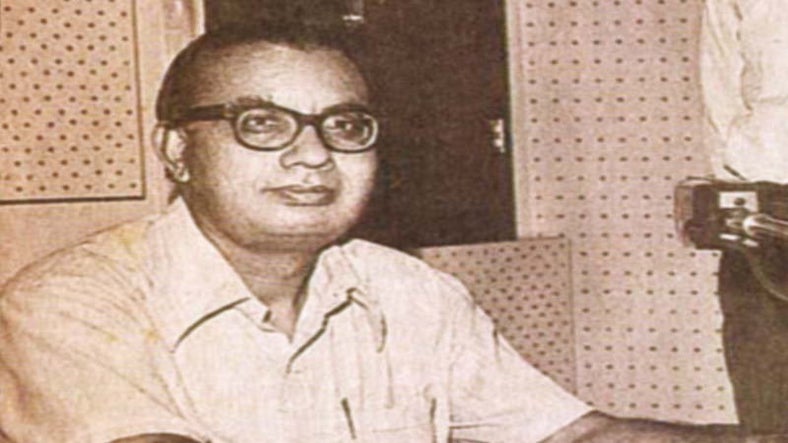
Ibn-e-Insha (1927–1978) stands as one of the most celebrated Urdu poets, humorists, and travel writers of Pakistan. Known for his unique blend of wit, humor, and poignant observations on life and society, he carved a niche for himself in the world of Urdu literature. His works continue to resonate with readers, offering both laughter and deep reflection on human nature, social dynamics, and cultural experiences.
Early Life and Education
Ibn-e-Insha was born as Sher Muhammad Khan on June 15, 1927, in Jalandhar, Punjab, which was then part of British India. From an early age, he displayed a remarkable talent for language and a keen sense of humor. His childhood and early education were marked by a deep love for literature, poetry, and storytelling.
Following the Partition of India in 1947, Ibn-e-Insha migrated to Pakistan and settled in Lahore, which became the center of his academic and literary life. In Lahore, he pursued higher education and developed his skills in Urdu literature, building the foundation for his future career as a poet, humorist, and travel writer.
Literary Style and Influence
Ibn-e-Insha’s writing style is distinct and immediately recognizable. He combined humor, satire, and lyrical poetry in a way that made his work both entertaining and thought-provoking. His ability to highlight human follies, social absurdities, and cultural nuances through light-hearted verse and prose is one of his defining characteristics.
Some key aspects of his literary style include:
- Wit and Humor: He had a natural flair for comedy, often using subtle wordplay and clever observations to make readers laugh while reflecting on deeper truths.
- Romantic and Lyrical Poetry: Beyond humor, his poetry includes romantic and reflective verses, expressing love, nostalgia, and human emotions with sensitivity.
- Social Commentary: His writings often contain sharp observations about society, human nature, and contemporary issues, all conveyed in a manner that is engaging rather than preachy.
Ibn-e-Insha’s style has influenced generations of Urdu writers, particularly in the genres of humorous poetry and prose.
Career as a Poet
Ibn-e-Insha’s poetry is among the most enduring aspects of his literary legacy. His poems range from romantic ghazals to humorous and satirical verse. Some of his notable poetry collections include:
- “Dil-e-Wehshi” – A collection of his romantic and reflective poetry.
- “Khumar-e-Gandum” – Features his humorous and satirical poems that critique society with wit.
- “Urdu Ki Akhri Kitab” – A playful yet meaningful commentary on language, literature, and culture.
His poetry is celebrated for its simple language, universal themes, and emotional depth, making it accessible to readers of all ages. He had a rare talent for balancing humor with sincerity, allowing readers to enjoy his verses while connecting to their underlying messages.
Travel Writing: Chronicles of Exploration
Ibn-e-Insha was not only a poet but also a remarkable travel writer. His travelogues are renowned for their humor, insight, and vivid depictions of the places he visited. Unlike conventional travel writing, Ibn-e-Insha added personal anecdotes, cultural observations, and witty reflections, making his travelogues enjoyable and enlightening.
Some of his famous travelogues include:
- “Dunya Gol Hai” – A humorous and insightful account of his journeys across Europe, highlighting cultural differences and amusing encounters.
- “Chaltay Ho To Cheen Chalay Aao” – Chronicles his travels in East Asia, blending sharp observation with playful humor.
- “Chaltay Ho To Japan Chalay Aao” – Provides a witty account of his experiences in Japan, filled with satire, cultural critique, and personal reflections.
Through his travel writing, Ibn-e-Insha introduced Pakistani readers to global cultures while maintaining a uniquely humorous perspective. His ability to capture both the charm and absurdity of foreign lands contributed to his popularity as a travel writer.
Prose, Columns, and Journalism
Ibn-e-Insha was also a prolific columnist and essayist, contributing to newspapers and magazines. His columns reflected his characteristic wit, humor, and social commentary, often addressing everyday life, politics, and cultural practices. He could discuss serious issues in a light-hearted manner, making his writings entertaining yet thought-provoking.
His prose collections include:
- “Aap Se Kya Parda” – Combines essays and personal reflections with humor.
- “Iqbal Nama” – Offers thoughtful critique and insights into literature and philosophy.
As a journalist, he engaged readers with his unique voice, balancing humor and depth, and became a household name in Urdu literary circles.
Google Ad 1
Recognition and Awards
Ibn-e-Insha’s literary contributions were widely recognized during his lifetime. Among his accolades:
- Pride of Performance Award – Conferred by the President of Pakistan for his outstanding contributions to literature.
- Numerous awards from literary societies and Urdu literary circles for poetry, prose, and humor writing.
His recognition was not limited to awards; his influence on Urdu literature, humor writing, and travelogues has been profound and long-lasting.
Personal Life and Personality
Ibn-e-Insha was known for his gentle, humorous, and approachable personality. Colleagues and friends remember him as someone who could lighten any situation with his wit while offering sincere reflections on life. Despite his fame, he maintained a humble and down-to-earth lifestyle, which endeared him to readers and peers alike.
He remained unmarried throughout his life, dedicating himself to literature, travel, and writing. His personal experiences often found their way into his poems and travelogues, giving them a relatable and human touch.
Death and Legacy
Ibn-e-Insha passed away on January 11, 1978, leaving behind a rich legacy of poetry, prose, and travel writing. Even decades after his death, his work continues to be read, studied, and cherished by Urdu literature enthusiasts around the world.
His legacy can be summarized as follows:
- Humor with Depth: Ibn-e-Insha made humor an art form, using it to comment on social and cultural issues.
- Cultural Bridge: His travelogues introduced readers to the world while keeping a distinctly Pakistani perspective.
- Influence on Urdu Literature: He inspired a new generation of poets, humorists, and writers to combine entertainment with literary quality.
- Timeless Relevance: His work continues to be appreciated for its wit, insight, and humanistic approach.
Ibn-e-Insha is remembered not just as a poet or humorist, but as a literary icon whose work bridges generations and cultures.
Why Ibn-e-Insha Remains Relevant Today
The enduring appeal of Ibn-e-Insha’s work lies in:
- Universal Themes: Love, humor, travel, and human behavior are timeless subjects.
- Accessibility: His simple yet profound language makes his work readable by young and old alike.
- Entertainment and Insight: Readers laugh, reflect, and learn through his writings.
- Inspiration for Writers: His innovative style in poetry and prose continues to influence modern Urdu writers.
For anyone exploring Urdu literature, Ibn-e-Insha’s works offer a perfect blend of fun and reflection, making him an essential figure in South Asian literary history.
Conclusion
Ibn-e-Insha’s life was a testament to the power of words, humor, and observation. From his early poetry to his memorable travelogues and columns, he created a body of work that continues to educate, entertain, and inspire. He remains a symbol of creativity, wit, and literary brilliance in Urdu literature.
Today, Ibn-e-Insha is celebrated not only in Pakistan but also in India and among Urdu-speaking communities worldwide. His ability to blend humor with serious reflection ensures that his work remains relevant, enjoyable, and cherished by readers of all ages.
Whether through his poetry, prose, or travelogues, Ibn-e-Insha’s writing continues to bring joy, provoke thought, and reflect the essence of human experiences, securing his place as one of the most beloved literary figures in South Asia.
Thanks for reading the about this great personality on our peoples blog, for more such great people read our peoples blog articles