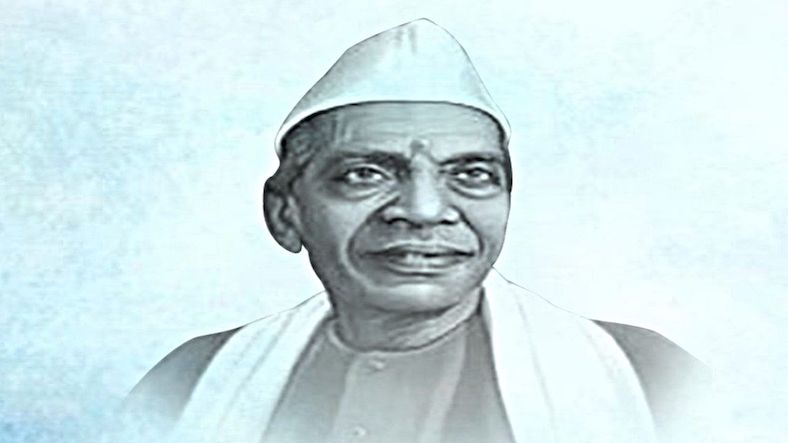
Maithili Sharan Gupt (1886–1964) stands among the greatest architects of modern Hindi literature. Celebrated for his powerful poetry, nationalistic spirit, and reformist voice, he played a key role in shaping the Chhayavaad movement, which redefined Hindi poetry in the early 20th century. His works, including Bharat-Bharati, Yashodhara, and Saket, continue to influence readers, scholars, and students across India.
Early Life and Background
Maithili Sharan Gupt was born on August 3, 1886, in Chirgaon, a village near Jhansi in present-day Uttar Pradesh. His father, Seth Ramcharan Gupta, was a well-known scholar and a patron of literature, which exposed young Gupt to books and poetry very early in life.
Growing up in a culturally rich environment, Gupt developed a deep interest in languages, literature, and Indian philosophy. His sharp memory, linguistic skills, and natural poetic flair became noticeable even in childhood.
Education and Early Influences
Gupt received formal education in:
- Sanskrit – which shaped his understanding of ancient Indian texts
- Persian – common among scholars of that era
- English – giving him access to Western literature and modern themes
This multilingual foundation gave his poetry a rare blend of traditional Indian values and modern literary sensibilities.
He was also influenced by:
- The rising Indian freedom movement
- Reformist thinking of Arya Samaj
- Works of Bharatendu Harishchandra
- Ancient epics like the Ramayana and Mahabharata
Entry into Hindi Literature
In the early 1900s, Hindi poetry was dominated by Braj Bhasha. Writing in Khari Boli, the Hindi dialect commonly spoken today, was still not considered ideal for poetry.
Maithili Sharan Gupt became one of the first major poets to adopt Khari Boli and elevate it to literary excellence.
His early works were published in magazines, and his talent was soon recognized by leading literary personalities of the time. His simple yet profound style attracted readers from all backgrounds.
Role in the Chhayavaad Movement
The Chhayavaad movement (1918–1937) is often compared to the Romantic movement in English literature. It emphasized:
- Imagination
- Emotion
- Nature
- Beauty
- Symbolism
While poets like Nirala, Mahadevi Verma, and Sumitranandan Pant are widely known Chhayavaadi poets, Gupt was among the earliest contributors who laid the foundation through his emotionally rich and culturally rooted poetry.
His writing brought refinement, lyrical quality, and philosophical depth to modern Hindi verse.
Major Literary Works of Maithili Sharan Gupt
Gupt authored dozens of influential works, including epic poems, narrative poetry, and socially themed compositions. Some of his most celebrated works are listed below.
1. Bharat-Bharati
Published in 1912, this became one of the most iconic patriotic works of the freedom era.
Themes include:
- National pride
- Cultural heritage
- Historical reflection
- Unity and awakening
Bharat-Bharati inspired countless freedom fighters and became a staple of nationalist literature.
2. Yashodhara
A narrative poem centered on Yashodhara, the wife of Siddhartha (Gautama Buddha).
It highlights:
- Emotional sacrifice
- Spiritual conflict
- Compassion and duty
This work earned him the Sahitya Akademi Award.
3. Saket
A masterpiece retelling the Ramayana from the perspective of Urmila, the wife of Lakshmana.
Known for:
- Feminine sensitivity
- Unique storytelling
- Emotional depth
4. Panchavati
A poetic reinterpretation of episodes from the Ramayana, exploring themes of exile, loyalty, and righteousness.
5. Jayadrath Vadh
A retelling of a lesser-known episode from the Mahabharata, showing Gupt’s command over epic narrative poetry.
Other Notable Works
- Guru Govind
- Kisan
- Plash Ki Panktiyan
- Rang Mein Bhang
Google Ad 1
Writing Style and Themes
1. Nationalism
Gupt’s poetry played a powerful role in awakening patriotic feelings during British rule.
He wrote about:
- India’s cultural unity
- Freedom
- Moral strength
- Heroic stories from Indian history
His nationalistic verses earned him the title Rashtra Kavi (National Poet).
2. Social Reform
Later in his career, Gupt shifted from romanticism to social themes such as:
- Untouchability
- Women’s empowerment
- Poverty
- Social justice
His poems often highlighted the struggles of marginalized groups, urging society to move toward equality.
3. Mythology with Modern Sensitivity
Gupt re-examined mythological characters from fresh viewpoints — especially women like Yashodhara and Urmila — giving them new emotional depth.
4. Simplicity and Depth
His style is characterized by:
- Clear, understandable language
- Lyrical beauty
- Philosophical introspection
- Balanced emotional tone
This simplicity made his works popular among students and general readers.
Awards, Honors and Recognition
Maithili Sharan Gupt received numerous honors, including:
- Sahitya Akademi Award (for Yashodhara)
- Title of Rashtra Kavi by the Indian government
- Inclusion of his poetry in school and college syllabi
His works were widely appreciated by leaders like:
- Mahatma Gandhi
- Ram Manohar Lohia
- Dr. Rajendra Prasad
His influence extended beyond literature into cultural and political spheres.
Later Life and Death
Gupt continued writing well into his later years, publishing thoughtful works that addressed India’s social and cultural challenges.
He passed away on December 12, 1964, in Sagar, Madhya Pradesh, leaving behind a monumental literary legacy.
Legacy of Maithili Sharan Gupt
Maithili Sharan Gupt is remembered as:
- A pillar of modern Hindi poetry
- A pioneer of Khari Boli literature
- An early voice of the Chhayavaad movement
- A nationalistic poet who ignited the spirit of freedom
- A social reformer who wrote for justice and equality
His works continue to be studied, analyzed, and admired for their emotional power and cultural relevance.
Even today, Gupt’s poems remind readers of India’s rich heritage and the values of compassion, sacrifice, and unity.
Conclusion
Maithili Sharan Gupt’s contribution to Hindi literature is timeless. His poetry not only strengthened modern Hindi but also inspired generations with themes of nationalism, social reform, and human values. His works remain essential reading for anyone interested in Indian culture, poetry, and history.
Thanks for reading the article, for more great peoples related articles read our peoples blog articles.