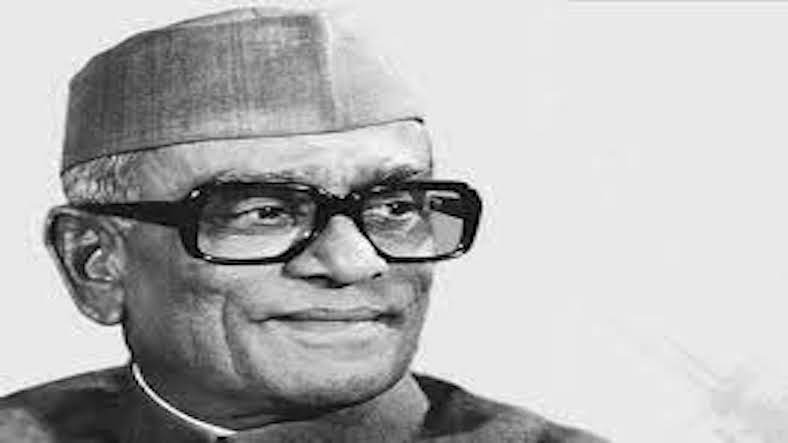
Neelam Sanjiva Reddy (1913–1996) was one of the most influential political figures of post-independence India. Known for his simplicity, humility and commitment to democratic values, he served as the sixth President of India from 1977 to 1982. Reddy played a key role in shaping modern Andhra Pradesh, contributed to India’s parliamentary democracy and remains the only President of India elected unopposed. His leadership came during a critical phase in Indian politics — the post-Emergency era — making his presidency historically significant.
Early Life and Background
Neelam Sanjiva Reddy was born on May 19, 1913, in Illur (also called Illuri), a village in Anantapur district of present-day Andhra Pradesh. He hailed from a farming family and grew up witnessing the struggles of rural communities, which influenced his later policies as a leader.
1. Education and Formative Years
Reddy studied at:
- Theacher Memorial High School, Anantapur
- Government Arts College, Anantapur
During his youth, India was experiencing rising nationalist sentiment. Reddy was deeply influenced by Mahatma Gandhi’s call for non-cooperation. This early exposure to Gandhian values shaped his political philosophy throughout life.
Role in the Indian Freedom Movement
As a student, Reddy joined the Indian National Congress and actively participated in the freedom struggle. He took part in:
- Civil Disobedience Movement
- Quit India Movement
- Anti-colonial protests in the Madras Presidency
He was imprisoned multiple times for participating in peaceful resistance. His dedication earned him recognition as a disciplined and principled young leader.
Political Career After Independence
After independence, Neelam Sanjiva Reddy quickly rose through the ranks of Indian politics due to his administrative skill, integrity and ability to build consensus.
1. Entry into Legislative Politics
In 1946, he was elected to the Madras Legislative Assembly, marking the formal beginning of his political career.
Chief Minister of Andhra Pradesh
Neelam Sanjiva Reddy holds the distinction of being the first Chief Minister of Andhra Pradesh after the state’s formation in 1956.
1. First Term (1956–1960)
As Chief Minister, he focused on:
- Strengthening irrigation infrastructure
- Agricultural development
- Rural electrification
- Industrial growth
His administration is remembered for promoting cooperative farming and developmental schemes in drought-prone areas.
2. Second Term (1960–1962)
Although his second term was relatively short, Reddy continued to work on re-organizing administrative structures and improving the state’s economic foundation.
Role in the Union Government
After his tenure as Chief Minister, Reddy joined national politics.
1. Ministerial Positions
He served as a Union Minister holding important portfolios such as:
- Transport
- Civil Aviation
- Labour
- Mines
- Steel
His tenure was marked by efficient policymaking and commitment to transparency.
Speaker of the Lok Sabha (1967–1969)
One of the most significant phases in Reddy’s career was his election as the Speaker of the Lok Sabha. He is admired for:
- Neutral and non-partisan approach
- Upholding parliamentary decorum
- Introducing reforms to strengthen the functioning of the House
He resigned as Speaker following the political rift within the Congress Party during the 1969 presidential election, showcasing his integrity.
Governor of Uttar Pradesh (1974–1977)
Reddy later served as the Governor of Uttar Pradesh, India’s largest state. His tenure is remembered for:
- Maintaining administrative stability
- Ensuring constitutional propriety
- Building a rapport with various political groups
This role prepared him for the highest constitutional office in the country.
Google Ad 1
Election as the President of India (1977)
In July 1977, during the post-Emergency period, Neelam Sanjiva Reddy was elected the sixth President of India.
1. Historic Distinctions
- Youngest President of India at age 64
- Only President elected unopposed
- First former Chief Minister of Andhra Pradesh to become President
His election symbolized national consensus during a politically sensitive time.
Presidency (1977–1982): A Period of Democratic Restoration
Reddy’s presidency followed the end of the Emergency, making it a transition period for Indian democracy.
1. Key Features of His Presidency
- Promoted constitutional values
- Focused on national unity
- Maintained neutrality during political instability
- Encouraged cooperation between the government and opposition
- Upheld the dignity of the office without seeking undue influence
His calm leadership provided stability when the Janata Party government faced internal conflicts.
2. Relationship with Prime Ministers
During his presidency, he worked with:
- Morarji Desai
- Charan Singh
- Indira Gandhi (after 1980 elections)
Despite shifting political environments, he followed a non-partisan approach and respected constitutional boundaries.
Post-Presidential Life
After completing his term in 1982, Reddy retired from political life. He stayed away from active politics and dedicated time to social, cultural and educational activities. Known for his simplicity, he lived a quiet, peaceful life until his passing on June 1, 1996.
Legacy and Impact
Neelam Sanjiva Reddy is remembered today as a principled statesman who embodied democratic values. His legacy includes:
1. A Model of Integrity
Reddy was known for being:
- Honest
- Humble
- Non-controversial
- Constitutionally disciplined
His integrity helped restore faith in the presidency after the Emergency.
2. Contributions to Andhra Pradesh
His work as the first Chief Minister shaped the state’s early development trajectory.
3. Parliamentary Reforms
His tenure as Speaker strengthened legislative practices and set ethical standards that are still appreciated.
4. A Symbol of Democratic Transition
His presidency marked India’s return to democratic stability and constitutional rule.
Conclusion
Neelam Sanjiva Reddy remains one of India’s most respected political leaders. From a freedom fighter to the first Chief Minister of Andhra Pradesh and eventually the sixth President of India, his journey reflects unwavering commitment to public service and democratic ideals. His presidency during the post-Emergency era played a crucial role in stabilizing the country’s political environment. Reddy’s legacy continues to inspire leaders, scholars and citizens who value integrity, simplicity and adherence to constitutional principles.
For more articles on inspiring personalities, explore PeoplesBLOG for detailed biographies and stories of great individuals.