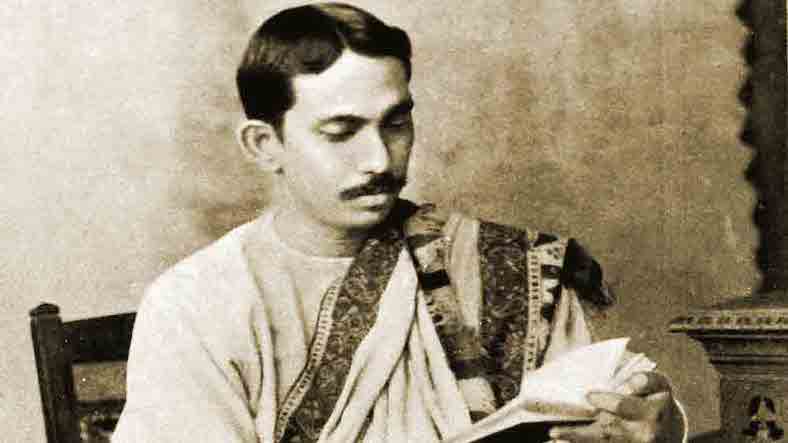
Satyendranath Dutta stands as one of the most remarkable and influential poets in modern Bengali literature. Born on 11 February 1882 and passing away at the young age of forty on 25 June 1922, he carved a permanent place in literary history through his unparalleled mastery over rhyme, rhythm and poetic metre. Widely known as the “wizard of rhymes” or the “king of metre,” Dutta introduced technical precision, extensive vocabulary and stylistic innovation that enriched Bengali poetry for generations to come.
Although he lived during an era marked by political upheaval and the rise of revolutionary movements in Bengal, Satyendranath Dutta’s contributions were primarily literary. His work spans genres such as lyric poetry, historical verses, mythological poems, children’s literature and linguistic experimentation. Today, he remains an essential figure for anyone exploring the depth and evolution of Bengali poetic tradition.
Early Life and Background
Satyendranath Dutta was born in Nimta, near Kolkata, into a culturally vibrant and educated Bengali family. His father, Rajaninath Dutta, ensured that the family environment was rich in books, literature and intellectual discussions. This cultural exposure nurtured Satyendranath’s early interest in language, poetry and classical literature.
He received his early education in Calcutta, where he had access to the works of both Indian and Western poets. This blend of literary traditions later became evident in his writings. His strong foundation in Sanskrit and exposure to various linguistic rhythms helped him develop a unique poetic voice rooted deeply in metre, imagery and historical references.
From a young age, Dutta showed a natural inclination for creative expression, and his early poems reflected his deep fascination with history, mythology and linguistic structure.
A Literary Career Defined by Rhythm and Metre
Satyendranath Dutta’s most distinctive contribution to Bengali poetry is his mastery over metre, known as chhanda. He experimented with traditional forms, introduced new patterns, and crafted poems that displayed near-perfect rhythmic precision. Because of this technical brilliance, he is often referred to as the “Chhonder Jadoogar,” meaning the magician of rhythm.
Unlike many poets who focus primarily on emotional expression, Dutta approached poetry as both an art and a discipline. He treated rhythm as an essential backbone of poetic composition. His verses demonstrate a meticulous balance between sound, meaning and structural design. This approach not only set him apart from his contemporaries but also influenced later poets to pay closer attention to the craft of metre in poetic composition.
Writing Style and Unique Characteristics
Satyendranath Dutta’s writing style is marked by several qualities that make his poems instantly recognizable and distinctive.
1. Mastery of Metre and Rhyme
He possessed an exceptional understanding of rhythmic patterns. His poems flow with musicality, making them pleasing to read aloud. His innovative use of rhyme schemes contributed to the evolution of Bengali lyrical poetry.
2. Rich Vocabulary
Dutta’s poems include words derived from Sanskrit, Arabic, Persian and even European languages. This extensive vocabulary gave his work a unique texture and depth rarely seen in his era.
3. Historical and Mythological Themes
Many of his poems explore stories from ancient civilizations such as Greece, Persia, Egypt and India. His fascination with global history allowed him to craft poems that were both scholarly and imaginative.
4. Versatility in Genres
Satyendranath Dutta was not confined to a single genre. He wrote:
- serious lyric poetry
- narrative poems
- children’s verse
- humorous poems
- reflective and philosophical pieces
This versatility made him accessible to a wide audience.
5. Imaginative Use of Imagery
His poems often paint vivid pictures of storms, landscapes, ancient battles, mythological events and cultural scenes. His imagery seamlessly blends scholarly detail with poetic imagination.
Major Works and Selected Poems
Over his lifetime, Satyendranath Dutta produced several poetry collections and individual works that continue to be studied in Bengali literature.
1. Notable Poetry Collections
- Abhijaan
- Janmadina
- Swaralipi
- Chitra Bichitra
- Fuler Fasal
These collections showcase a wide range of poetic forms and themes, from deeply lyrical compositions to metrically experimental pieces.
2. Popular and Widely Referenced Poems
- Tufan
- Sekaler Katha
- Durga
- Jatri
- Bongo Amar Janani Amar
Many of these poems are included in school textbooks and anthologies, ensuring that new generations continue to appreciate his work.
Google Ad 1
Themes Explored in His Poetry
Satyendranath Dutta’s poems revolve around themes that are both timeless and universal.
1. History and Ancient Civilizations
He was deeply inspired by global history. His poems often recreate scenes from the past, bringing historical narratives to life through rhythm and imagery.
2. Mythology
Indian mythological characters and stories frequently appear in his work, presented in a rhythmic and lyrical manner that appeals to readers across generations.
3. Nature
Dutta had a keen eye for natural beauty. His descriptions of storms, rivers, skies and changing seasons reflect his sensitivity to the natural world.
4. Cultural Pride
Although not politically active, he expressed deep pride in Bengali culture and heritage. His poems often highlight the beauty, strength and richness of Bengal.
5. Children’s Literature
His simple yet musically rich poems for children continue to be popular. They introduce young readers to rhythm, imagination and language in a playful manner.
Personal Life and Untimely Death
Satyendranath Dutta lived a relatively quiet and scholarly life devoted to literature. Despite his extraordinary talent, he lived only forty years. His untimely death on 25 June 1922 cut short what could have been an even richer literary journey. Nevertheless, the body of work he left behind is substantial and continues to enrich Bengali literature.
Legacy and Influence on Bengali Literature
Satyendranath Dutta’s legacy remains strong even a century after his passing. His contributions to the craft of poetic metre, rhythmic experimentation and linguistic innovation have established him as a foundational figure in Bengali poetry.
His legacy includes:
- elevating the role of metre in Bengali poetry
- inspiring generations of poets to explore rhythmic innovation
- contributing significantly to children’s literature
- expanding the linguistic richness of Bengali poetic expression
- creating poems that are studied in schools and universities
- influencing scholars, critics and literary historians
Even today, experts regard him as an unmatched technical genius. His writings represent a bridge between classical poetic practices and the emerging modern trends of his time.
Conclusion
Satyendranath Dutta was far more than a poet; he was a skilled craftsman of language, a scholar of history and mythology, and a pioneer who transformed the rhythmic landscape of Bengali poetry. His works continue to be celebrated for their elegance, precision and imaginative depth. For students, scholars and lovers of literature, his poetry offers endless inspiration and insight.
As readers rediscover his writings today, they find a timeless blend of technical mastery, lyrical beauty and cultural richness. His legacy ensures that Satyendranath Dutta will always remain a towering figure in the world of Bengali literature.
For more inspiring biographies and literary explorations, continue reading on PeoplesBLOG.