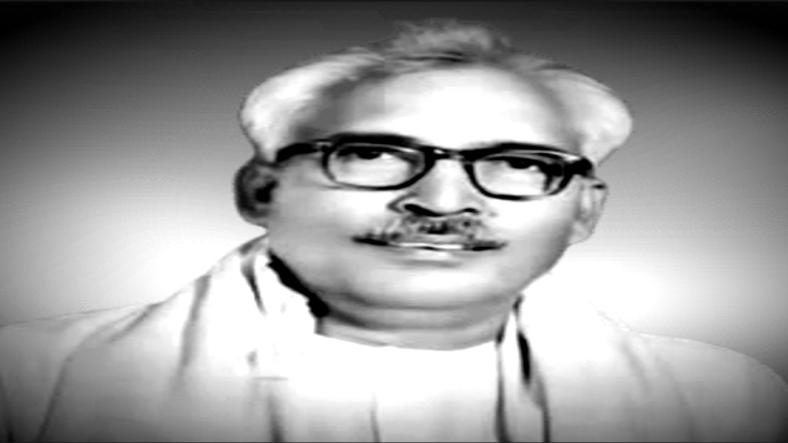
Hazari Prasad Dwivedi (1907–1979) was one of the most respected writers, critics and scholars in modern Hindi literature. Known for his deep understanding of Indian culture, Sanskrit texts, medieval literature and literary theory, he made extraordinary contributions through his novels, essays and research. His works continue to influence students, scholars and lovers of Hindi literature even today.
Early Life and Education
1. Birth and Background
Hazari Prasad Dwivedi was born on August 19, 1907, in Bailar village, located in the district of Ballia in Uttar Pradesh. He grew up in a traditional Brahmin family where Sanskrit learning and cultural values were given great importance.
2. Early Education in Sanskrit and Hindi
From childhood, Dwivedi showed remarkable interest in scriptures, poetry and classical languages.
He studied:
- Sanskrit grammar
- Hindi literature
- Vedic texts
- Ancient Indian philosophy
This strong foundation prepared him for a lifetime dedicated to literature and research.
3. Higher Education
Dwivedi later pursued higher studies in Hindi and Sanskrit. His deep knowledge of classical texts enabled him to interpret Indian literature with historical accuracy and modern relevance. This combination of traditional scholarship and modern thinking became a hallmark of his writing style.
Beginning of Literary Career
Entry into Hindi Literature
Hazari Prasad Dwivedi started his writing career by contributing essays to Hindi magazines and journals. His early works displayed clear thinking, rich language and an ability to simplify complex ideas.
He soon became known as a scholar with a fresh voice, someone who could bring together history, culture, philosophy and literature in an accessible manner.
Major Literary Contributions
Hazari Prasad Dwivedi was a multi-talented writer. He wrote novels, essays, research papers, biographies and literary criticism. His works continue to be part of academic curriculum in many universities.
1. Novels
Dwivedi’s novels are famous for their rich storytelling and deep philosophical ideas. Some of his best-known novels include:
- Banbhatt Ki Atmakatha
This is one of his most celebrated works. Written as an imagined autobiography of the ancient Sanskrit poet Banabhatta, the novel beautifully blends history and fiction. It captures the cultural life of ancient India and remains a classic in Hindi literature. - Charu Chandra Ki Chandani
This novel reflects emotional depth and explores human relationships, social structures and personal conflicts. It showcases Dwivedi’s skill in creating vivid characters and poetic narration. - Rashmi Rathi
(This poem is often confused with Dwivedi’s work, but it was written by Ramdhari Singh Dinkar. The correct Dwivedi works include titles such as Alok Parva, Ashok Ke Phool and Anamdas Ka Potha.) - Anamdas Ka Potha
A philosophical and spiritual novel that explores the inner journey of a seeker. It is considered one of his finest creations. - Punarnava
Another major novel that reflects Dwivedi’s deep cultural knowledge and ability to blend myth, history and social themes.
2. Essays and Literary Criticism
Hazari Prasad Dwivedi was an exceptional essayist. His essays are known for clarity, intellectual depth and cultural insight.
His essay collections include:
- Alok Parva
- Kavya Ki Bhumika
- Hindi Sahitya Ka Adi Kal
- Nath Sampraday
His essays often explored:
- Indian philosophy
- Bhakti movement
- Medieval saints
- Poetic traditions
- Cultural history of India
Dwivedi’s literary criticism greatly influenced how Hindi literature is studied and understood. His analytical style helped readers understand ancient texts in a modern context.
3. Research on Medieval Literature
Dwivedi brought new attention to medieval Hindi literature, particularly the Bhakti movement.
He studied the works of:
- Kabir
- Surdas
- Tulsidas
- Natha Panthis
- Sant literature
His writings helped revive scholarly interest in these poets and movements. He explained their lives, teachings and social impact in simple and accessible language.
4. Revival of Ancient Indian Texts
One of Dwivedi’s most important contributions was his work in reviving ancient Indian texts. He:
- Translated classical Sanskrit works
- Edited rare manuscripts
- Researched forgotten poets and traditions
- Made ancient knowledge accessible to modern readers
His deep respect for India’s classical heritage helped preserve many texts that might have been lost over time.
Google Ad 1
Academic and Institutional Roles
1. Work at Shantiniketan
Hazari Prasad Dwivedi worked at Visva-Bharati University, Shantiniketan, founded by Rabindranath Tagore.
There, he served as:
- Professor of Hindi literature
- Researcher
- Academic guide
His time at Shantiniketan allowed him to interact with great minds, which enriched his literary vision.
2. Leadership in Literary Organizations
He served as:
- President of Hindi Sahitya Sammelan
- President of Uttar Pradesh Hindi Sahitya Sammelan
- Member of various academic committees
He played a key role in promoting the Hindi language and strengthening literary education across India.
Awards and Recognition
Hazari Prasad Dwivedi received several prestigious awards for his outstanding contribution to literature.
1. Padma Bhushan (1957)
One of India’s highest civilian honors, awarded for his contribution to literature and education.
2. Sahitya Akademi Award (1973)
He received the award for his essay collection Alok Parva, which is considered one of his masterpieces.
3. Other Honors
He was honored by many universities, literary bodies and cultural institutions across India for his research and writing.
Writing Style and Philosophical Outlook
Dwivedi’s writing style is known for:
- Simplicity
- Cultural depth
- Poetic expression
- Strong narrative flow
- Analytical sharpness
He believed literature should connect people to their roots while helping them understand modern realities. His works reflect an understanding of India’s spiritual traditions and a humanistic outlook.
Personal Life
Hazari Prasad Dwivedi was known for his humble nature and disciplined lifestyle. Despite his scholarship and fame, he remained deeply connected to Indian culture, rural values and simplicity.
He passed away on May 19, 1979, leaving behind a vast literary legacy.
Legacy
Hazari Prasad Dwivedi is remembered as:
- One of the greatest Hindi literary scholars of the 20th century
- A pioneer in modern Hindi criticism
- A bridge between classical Indian literature and modern readers
- A writer whose works remain relevant for students and scholars
His novels, essays and research continue to influence academic study and cultural understanding.
Conclusion
Hazari Prasad Dwivedi’s life was dedicated to Hindi literature, Indian philosophy and cultural heritage. Through his novels, essays and scholarly research, he enriched the Hindi literary tradition and helped preserve ancient Indian knowledge. His contributions remain valuable for readers, researchers and students even today.
Thanks for reading this article on our Peoples Blog. For more inspiring biographies and great personalities, explore our other Peoples Blog articles.