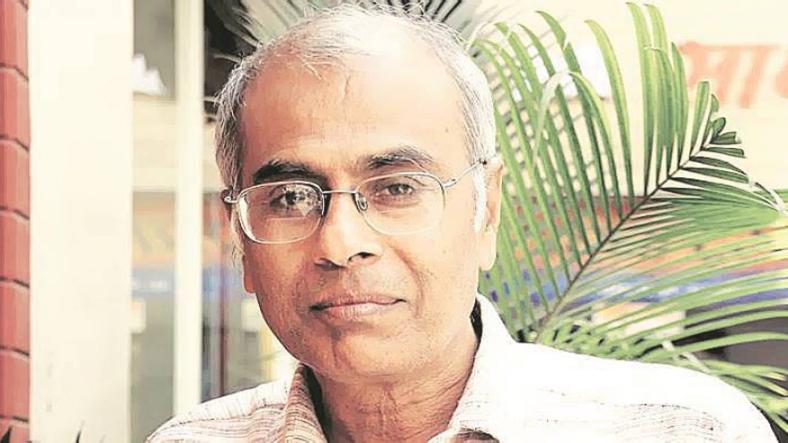
Narendra Dabholkar (1945–2013) was an influential Indian rationalist, physician, social reformer, author, and the leading voice of India’s anti-superstition movement. For more than two decades, he dedicated his life to promoting scientific temper, challenging blind faith, exposing fraudulent godmen, and educating society about evidence-based thinking.
His activism, though often controversial, became the backbone of a larger movement in India focused on strengthening rational thought, protecting vulnerable communities, and reducing exploitation in the name of religion or spirituality.
Early Life and Education
1. Birth and Background
Narendra Dabholkar was born on November 1, 1945, in Satara, Maharashtra. Growing up in a middle-class family, he developed a disciplined approach to life and a deep sense of social responsibility, which later shaped his activism.
2. Medical Education and Career
He pursued medicine at the Government Medical College in Miraj, Maharashtra, where he completed his MBBS degree. After becoming a qualified doctor, Dabholkar worked as a medical practitioner, known for his compassionate treatment of patients and interest in public health issues.
Although he had a stable medical career ahead, Dabholkar gradually moved away from clinical practice. He felt a stronger calling toward social reform, human rights, and promoting rational thinking, which became his life’s primary mission.
Rise of a Rationalist Thinker
1. Commitment to Scientific Temper
Inspired by leaders like Jawaharlal Nehru, who emphasized scientific temper as a constitutional duty, Dabholkar aimed to reduce superstition and exploitation.
He believed that:
- Blind faith and pseudo-science harmed progress
- Fraudulent godmen exploited emotional and financially vulnerable people
- Superstitions led to violence, discrimination, and social backwardness
2. Founding of MANS
In 1989, Dabholkar founded the Maharashtra Andhashraddha Nirmoolan Samiti (MANS) – The Committee for the Eradication of Blind Faith.
3. Mission of MANS
The organization worked to:
- Promote rational thinking
- Conduct scientific demonstrations debunking “miracles”
- Help victims exploited by fake spiritual healers
- Advocate for laws against harmful superstitious practices
Under Dabholkar’s leadership, MANS grew into a strong volunteer-driven movement with thousands of supporters across Maharashtra.
Campaign Against Superstition and Harmful Practices
1. A Lifelong Fight
Dabholkar led multiple campaigns to raise awareness about:
- Black magic
- Occult rituals
- Human sacrifice
- Sorcery for financial gain
- Exploitative “healing” practices
- Superstitions that fueled discrimination
He traveled widely, conducting lectures, workshops, and public demonstrations showing how so-called miracles performed by godmen were simple tricks.
2. Public Engagement and Education
He wrote extensively in newspapers and magazines, authored books, and appeared on television debates challenging superstition with calm logic and scientific reasoning.
Some of his themes included:
- Critical thinking
- Science over blind belief
- Equality and human rights
- The importance of questioning tradition when harmful
The Anti-Superstition and Black Magic Legislation
1. Drafting the Landmark Ordinance
One of Dabholkar’s major contributions was drafting the Maharashtra Prevention and Eradication of Human Sacrifice and Other Inhuman, Evil and Aghori Practices and Black Magic Ordinance.
This legislation aimed to curb:
- Superstitious rituals causing physical or psychological harm
- Fraudulent claims of supernatural powers
- Exploitation in the name of religious healing
- Practices leading to inhuman acts, including sacrifices
2. Facing Opposition
His advocacy faced strong backlash from:
- Certain religious groups
- Political parties
- Individuals who misunderstood his mission
- Those benefiting financially from superstition
Despite resistance, Dabholkar continued to push for the bill, arguing that it targeted inhuman practices, not genuine religious beliefs.
Google Ad 1
Assassination and Aftermath
1. Tragic Death
On August 20, 2013, Narendra Dabholkar was shot dead by unidentified assailants while on a morning walk in Pune, Maharashtra.
His killing shocked India, sparking national conversations about:
- Freedom of expression
- Safety of activists
- Growing intolerance toward rationalist voices
2. Immediate Impact
His death led to:
- Large-scale protests
- Demands for immediate passage of the Anti-Superstition Bill
- Renewed support for rationalist activism
3. Passage of the Anti-Superstition Bill
In December 2013, the Maharashtra Legislative Assembly passed the long-awaited bill, commonly known as the Anti-Superstition and Black Magic Act.
This was one of Dabholkar’s most significant goals and became a crucial part of his legacy.
Legacy and Influence
Despite his assassination, Narendra Dabholkar’s ideas continue to inspire millions.
- A stronger rationalist movement in India
- Greater public awareness about fraudulent godmen
- A legislative framework against dangerous superstitions
- Continuation of MANS and other rationalist efforts
- Recognition as a defender of scientific temper and social justice
Dabholkar’s life stands as a testament to the courage required to challenge long-held beliefs, fight exploitation, and promote rationality in society.
FAQs
1. Who was Narendra Dabholkar?
He was an Indian rationalist, medical doctor, social activist, and founder of the Maharashtra Andhashraddha Nirmoolan Samiti (MANS).
2. What was Dabholkar’s main mission?
His primary mission was to promote scientific temper and fight harmful superstitions, black magic, and exploitation by fraudulent godmen.
3. What is the Anti-Superstition and Black Magic Act?
It is a law passed in Maharashtra in 2013, drafted under Dabholkar’s guidance, aimed at banning human sacrifice, inhuman rituals, and exploitative supernatural practices.
4. How did Narendra Dabholkar die?
He was assassinated on August 20, 2013, by unidentified attackers in Pune.
5. What is MANS?
Maharashtra Andhashraddha Nirmoolan Samiti—an organization founded by Dabholkar in 1989 to eradicate superstition and spread rational thinking.
6. Why is Dabholkar’s legacy important today?
His work continues to influence rationalist movements, education reforms, and legal protections against exploitative practices in India.
Conclusion
Narendra Dabholkar was more than a rationalist—he was a visionary, reformer, and fearless advocate for human dignity. His work showed that promoting scientific temper is not just an intellectual exercise but a social responsibility.
His assassination silenced a powerful voice, but his ideas, efforts, and achievements remain deeply embedded in India’s continuing fight against superstition, injustice, and exploitation. Narendra Dabholkar will always be remembered as a courageous reformer who dedicated his life to building a more rational, humane, and progressive society.
Thanks for reading the article, for more great peoples related articles read our peoples blog articles.


