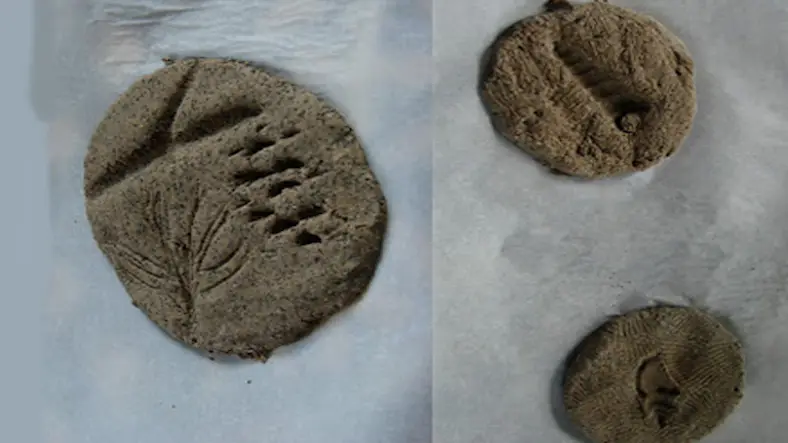
Introducing children to the wonders of science and history can be both fun and educational. One creative way to do this is through a hands-on paleontology experiment using coffee ground fossils. This simple activity allows kids to learn about fossils, the process of fossilization, and ancient life—all while having fun creating their own “fossils.”
In this article, we’ll guide you through a step-by-step experiment, the materials needed, and the educational benefits for children.
What Are Fossils?
Before starting the experiment, it’s important to understand what fossils are.
Fossils are preserved remains or traces of ancient organisms. They can be bones, shells, imprints, or even footprints that provide clues about life on Earth millions of years ago.
Through fossils, scientists (called paleontologists) study:
- The evolution of plants and animals
- How ecosystems have changed over time
- The history of Earth itself
By creating coffee ground fossils, children can explore these concepts in a hands-on and visual way.
Objective of the Coffee Ground Fossils Experiment
The main goal of this experiment is to:
- Introduce children to paleontology and the study of fossils.
- Demonstrate the fossilization process in a simplified form.
- Encourage scientific observation and creativity.
- Provide a fun, interactive learning experience for kids of all ages.
Materials Needed
You don’t need expensive tools or special equipment for this experiment. Here’s what you need:
- 1 cup of coffee grounds
- 1/2 cup of white flour
- 1/2 cup of salt
- Water (for mixing)
- A mixing bowl
- Measuring cups and spoons
- Small objects for fossil impressions (e.g., plastic dinosaurs, shells, small toys)
- Plastic wrap or parchment paper
- Optional: Paint or markers to decorate the fossils
This experiment uses simple household items, making it easy and safe for children.
Step-by-Step Procedure
Follow these steps to create your own coffee ground fossils:
Step 1: Discuss Fossils
Start by explaining the concept of fossils to children.
- Talk about how fossils are remains of ancient life.
- Show pictures of real fossils if possible.
- Discuss how paleontologists study these fossils to learn about Earth’s history.
Step 2: Prepare the Dough
- In a mixing bowl, combine:
- 1 cup coffee grounds
- 1/2 cup white flour
- 1/2 cup salt
- Mix well until the ingredients are evenly distributed.
- Gradually add water while stirring until the mixture becomes dough-like and moldable, similar to clay.
Step 3: Create Fossil Impressions
- Divide the dough into small portions.
- Take a small object (e.g., a plastic dinosaur) and press it firmly into the dough.
- Make sure the impression is clear and deep enough to resemble a fossil.
- Carefully remove the object, leaving the fossil imprint in the dough.
- Repeat with other objects to create multiple fossils.
Step 4: Optional Decoration
- Children can use paint or markers to highlight details of their fossils.
- They can add colors, patterns, or labels to make the fossils more realistic and fun.
Step 5: Dry the Fossils
- Place the fossil dough on a flat surface lined with plastic wrap or parchment paper.
- Allow the fossils to air dry for several days until they are completely hardened.
- Once dry, the fossils are ready to be handled, displayed, or used for educational purposes.
Google Ad 1
Scientific Learning Through the Experiment
This simple experiment allows children to understand the basic principles of fossilization:
- Impressions: Fossils are often formed when organisms leave imprints in soft materials that later harden.
- Preservation: Salt and flour help preserve the coffee ground dough, similar to how natural processes preserve real fossils over millions of years.
- Observation: Kids learn to observe shapes, textures, and patterns in the fossil impressions.
- Creativity and Curiosity: By creating their own fossils, children develop a sense of exploration and scientific curiosity.
Safety Considerations
- Adult supervision is recommended, especially if children are using hot water or ovens for faster drying.
- Ensure small objects used for impressions are safe and non-toxic.
- Avoid ingestion of the mixture.
Educational Benefits for Children
Creating coffee ground fossils is more than just fun—it also teaches valuable skills:
- Hands-on Learning: Children learn through touch and creation, which improves memory and understanding.
- Scientific Thinking: They practice forming hypotheses and observing results.
- Creativity and Art: Decorating fossils encourages imagination and artistic skills.
- Patience and Focus: The drying process teaches children to wait and care for their creations.
- Introduction to Paleontology: Children gain an early understanding of how scientists study Earth’s history and evolution.
Extra Ideas for the Experiment
- Fossil Timeline: Encourage kids to create fossils of different “eras” using various objects to simulate the passage of time.
- Excavation Game: Hide the dried fossils in sand or soil and let children dig them out as paleontologists would.
- Fossil Display: Create a mini-museum at home where children can display and explain their fossils.
Conclusion
The coffee ground fossils experiment is an engaging, hands-on way to introduce children to paleontology and the wonders of Earth’s ancient history. It combines science, creativity, and fun, allowing kids to explore concepts like fossilization, observation, and preservation in an interactive way.
By making and studying their own fossils, children not only learn about history and science but also develop skills such as creativity, curiosity, and patience.
Whether for a classroom activity, summer project, or a fun day at home, this experiment is perfect for children of all ages.
Thanks for reading! For more fun science experiments, technology projects, and educational activities, visit and subscribe to PeoplesBLOG.