Magnetic slime is one of the most exciting and hands-on science experiments for children. It combines the fun of making slime with the magic of magnetism, allowing kids to explore how magnetic fields work in an enjoyable and interactive way. This simple activity helps children understand chemistry, physics, cause-and-effect, and scientific observation.
Magnetic slime can stretch, move and crawl toward a magnet—making it a great activity for classrooms, science fairs, home learning or weekend fun. In this detailed guide, we will explain how to make magnetic slime, the science behind it, safety tips, FAQs and ideas to extend the learning experience.
What Is Magnetic Slime?
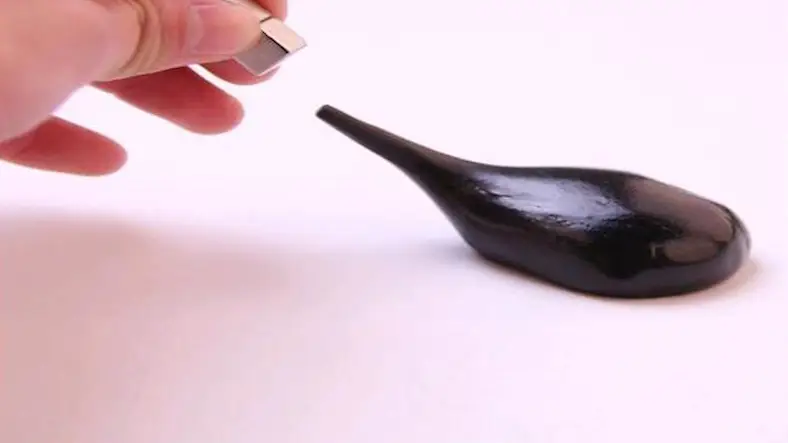
Magnetic slime is a stretchy, gooey slime infused with iron oxide powder, which makes it respond to magnets. When a strong magnet is brought near the slime, it moves toward the magnet as if it is alive. This fascinating movement helps children learn about magnetic fields and how materials react to them.
It is easy to make and requires just a few ingredients that are safe to handle with proper supervision.
Educational Benefits of the Magnetic Slime Experiment
This experiment teaches children several important concepts:
- Magnetism – how magnetic fields attract certain materials
- Chemistry – how glue and starch mix to form slime
- Scientific observation – watching changes and reactions
- Hands-on learning – exploring by touching and experimenting
- Creativity – stretching, shaping and playing with slime
It is a great way to introduce kids to real scientific ideas through play.
Materials Needed
You only need a few easily available items:
- ½ cup white school glue (Elmer’s or similar)
- Liquid starch (used as a slime activator)
- 1–2 tablespoons of iron oxide powder
- Disposable mixing bowl
- Stirring stick or spoon
- Strong neodymium magnet
- Ziplock bag or airtight container for storage
These materials are affordable and commonly found online or in science supply stores.
Step-by-Step Procedure to Make Magnetic Slime
Follow the steps below to create your magnetic slime:
1. Mix Glue and Iron Oxide Powder
Pour ½ cup of white school glue into a mixing bowl.
Add 1 to 2 tablespoons of iron oxide powder.
More powder will make the slime more magnetic, but too much can reduce stretchiness. Stir well until the mixture becomes smooth and consistent.
2. Add Liquid Starch Slowly
Pour liquid starch in small amounts into the glue mixture while stirring.
The slime will start to thicken and form clumps.
Keep mixing until the slime begins to pull away from the sides of the bowl.
3. Knead the Slime
Take the slime out of the bowl and place it on a clean surface.
Knead it with your hands:
- If it is too sticky → add a little more liquid starch
- If it is too stiff → add a small amount of glue
Continue kneading until the slime becomes stretchy and smooth.
4. Test the Magnetic Effect
Bring a strong neodymium magnet close to the slime.
You will see:
- The slime slowly stretching toward the magnet
- The magnet pulling the slime in different directions
- The slime forming peaks and shapes depending on how close the magnet is
Kids will enjoy experimenting with these effects.
5. Play and Experiment
Move the magnet around the slime.
Try:
- Pulling the slime sideways
- Letting it “crawl” toward the magnet
- Shaping the slime into balls or towers and watching the magnet distort them
This is where most of the fun happens.
Google Ad 1
Science Behind Magnetic Slime
Magnetic slime works because of iron oxide powder, which is attracted to magnets.
When the powder is mixed into slime:
- It becomes part of the stretchy, flexible material
- The magnet pulls on the iron particles
- The entire slime moves along with them
This shows kids how magnetic fields act on certain materials.
1. Why does the slime move slowly?
Slime is thick and resistant, so the magnetic pull happens gradually. This slow movement makes the experiment more interesting and easier to observe.
2. Which magnets work best?
Neodymium magnets are very strong and give the best results. Regular fridge magnets may not be powerful enough.
Safety Precautions
Although this experiment is safe, always follow these guidelines:
- Adult supervision is required
- Do not let young children taste or eat any materials
- Iron oxide powder should not be inhaled — mix gently
- Keep magnets away from electronics, credit cards and small children
- Wash hands thoroughly after making or playing with slime
- Store slime in a Ziplock bag or airtight container
Following these simple rules keeps the activity safe for everyone.
Tips to Make the Experiment Better
- Add less iron oxide if slime becomes too stiff
- Use gloves while kneading to avoid stained hands
- Add glitter or color for a more exciting look
- Use multiple magnets to create tug-of-war effects
- Try different slime thicknesses for new behavior
Kids can even record observations in a notebook to make it a full science project.
How to Store Magnetic Slime
Place the slime in:
- A Ziplock bag, or
- An airtight plastic container
This prevents the slime from drying out.
Stored properly, magnetic slime can last 2–4 weeks.
Learning Extensions for Classroom or Home
To make the experiment more educational, children can:
1. Test different amounts of iron oxide
Observe how magnetic strength changes.
2. Compare regular slime vs magnetic slime
Discuss differences and similarities.
3. Use magnets of different sizes
Check which magnet pulls slime faster.
4. Time how fast the slime moves toward the magnet
This makes the activity more scientific.
5. Draw the shape of the magnetic field
Kids can place the slime next to a magnet and sketch its shape.
These ideas help turn the experiment into a full science project.
FAQs
1. Is magnetic slime safe for kids?
Yes, with adult supervision and proper handling. Do not let kids put it in their mouth.
2. Can I use borax instead of liquid starch?
Yes, a borax solution or contact lens solution with baking soda can also act as activators.
3. Why is my slime too stiff?
Too much iron oxide. Add more glue to soften it.
4. Why is the slime not magnetic?
- Weak magnet
- Not enough iron oxide powder
- Using regular iron filings instead of iron oxide
Always use a neodymium magnet.
5. Can magnetic slime stain hands?
Yes, a little. Wearing gloves while kneading is recommended.
Conclusion
Magnetic slime is a wonderful hands-on science experiment that teaches kids about magnetism, chemistry and observation skills. It is fun, safe and easy to make at home or in the classroom using simple materials.
Children love watching the slime stretch, move and dance toward the magnet. The slow, creeping movement makes the activity exciting and educational at the same time. With proper supervision and safety measures, this experiment can become a favorite learning activity for children of all ages.
If you enjoyed this science experiment, be sure to explore more Science and Technology articles on PeoplesBLOG. Don’t forget to subscribe for more easy science activities, fun learning ideas and child-friendly educational content!