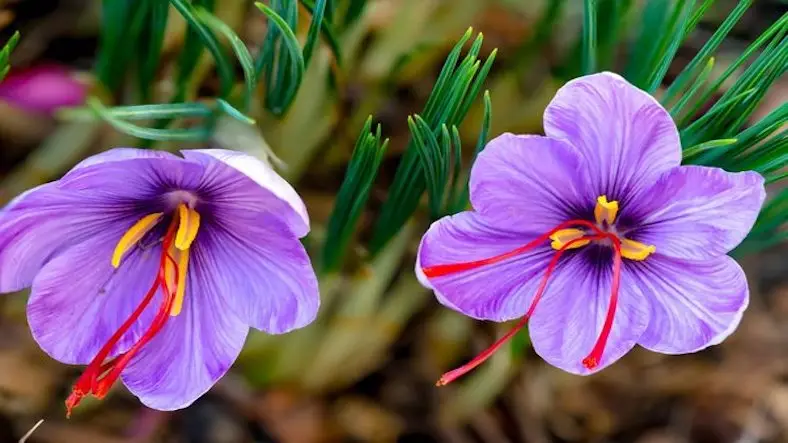
Saffron is widely known as the most expensive spice in the world when measured by weight. Recognized for its deep golden color, calming aroma, and subtle yet distinctive flavor, saffron has been treasured across cuisines and cultures for over 3,000 years. Even today, despite modern agriculture and global trade, saffron continues to command exceptionally high prices — often costing more per gram than gold.
But what makes this spice so valuable? Why is saffron priced higher than any other ingredient in the culinary world?
What Exactly Is Saffron?
Saffron comes from the stigma (the tiny red threads) of the Crocus sativus, a purple flower commonly referred to as the saffron crocus. Each flower contains only three thin stigmas, and these threads are carefully hand-picked, dried, and packaged.
Although the quantity seems small, these delicate red strands deliver:
- A deep aroma
- A luxurious golden hue
- A subtle floral and earthy flavor
Saffron is a staple in several iconic dishes, including:
- Spanish Paella
- Italian Risotto Milanese
- Persian Tahdig
- Middle Eastern rice dishes
- Luxury desserts and sweets
Its rich sensory experience and rarity make it a prized ingredient across world cuisines.
Why Is Saffron So Expensive?
Many foods are rare, flavorful, or complex to harvest — yet none come close to saffron’s price per gram. There are several reasons behind its extremely high cost.
1. Extremely Labor-Intensive Harvesting
Harvesting saffron is a slow and delicate manual process:
- Each Crocus sativus flower blooms only once a year.
- Every flower produces exactly three stigmas — no more, no less.
- Workers hand-pick each flower individually.
- The stigmas must then be separated by hand without damaging them.
To gather just 1 pound of saffron, farmers must harvest:
Around 70,000 to 80,000 flowers.
This alone makes saffron one of the most labor-heavy crops ever cultivated.
2. Short and Sensitive Blooming Season
Saffron flowers bloom for only a few weeks in autumn.
Farmers must:
- Harvest each flower at dawn
- Pick the stigmas on the same day
- Process them before they dry out
If harvesting is delayed by even one day, the flowers wilt and the saffron threads begin to degrade. This short blooming window increases risk, labor cost, and scarcity.
3. Strict Climate and Soil Requirements
Crocus sativus grows only in very specific climates:
- Hot, dry summers
- Cool to cold winters
- Well-drained soil
- Minimal water during growing phase
Only a few regions in the world can cultivate high-quality saffron successfully, including:
- Iran (largest global producer)
- Kashmir (India)
- Spain
- Greece
- Afghanistan
- Morocco
This geographical limitation adds to its rarity and high price.
4. Manual Post-Harvest Processing
After picking, the saffron threads undergo:
- Careful hand-separation
- Precise drying cycles
- Slow curing to enhance aroma
- Manual grading based on color, aroma, and thread thickness
Because machines cannot handle something as delicate as saffron, the entire process remains largely manual.
5. Purity and Quality Variations
Not all saffron is equal. Quality depends on:
- Thread length
- Color intensity
- Aroma strength
- Flavor concentration
- Moisture level
Premium saffron — especially deep red stigmas with minimal yellow — is extremely limited and can cost:
Hundreds to thousands of dollars per ounce
depending on origin, grade, and market demand.
This variation in purity plays a huge role in setting the final price.
A Spice With a 3,000-Year History
Saffron is not just a culinary ingredient. Its history stretches across:
- Ancient Persia
- Greek civilization
- Egypt
- India
- The Middle East
- Medieval Europe
Throughout history, saffron was used for:
- Cooking
- Textile dyeing
- Perfume
- Traditional medicine
- Rituals
- Cosmetics
In many cultures, saffron was considered more valuable than gold and was treated as a luxury reserved for royalty, healers, and the wealthy.
Google Ad 1
Modern Uses of Saffron
Even today, saffron continues to be used widely in:
1. Cuisine
From rice dishes to sweets, saffron adds richness and color unmatched by any other spice.
2. Traditional Medicine
Ayurveda, Unani, and Persian medicine have used saffron for:
- Mood enhancement
- Digestion
- Skin health
- Sleep improvement
3. Beauty and Skincare
Saffron is used in high-end skincare for its:
- Antioxidant properties
- Skin-brightening effects
4. Aromatherapy
Its floral aroma is calming and used in oils, incense, and fragrances.
How Much Does Saffron Cost Today?
Saffron’s price fluctuates based on:
- Origin
- Purity
- Global supply
- Harvest success
- Political conditions in producing regions
High-quality saffron typically sells for:
₹600 to ₹2000 per gram in India
$500 to $5000 per pound internationally
Top-grade Kashmiri saffron is among the most expensive in the world.
Despite the steep price, demand remains high because a very small amount of saffron goes a long way in cooking.
Is Saffron Worth Its High Price?
Most chefs and food lovers agree: yes.
Saffron offers:
- A complex, layered aroma
- A deep, golden color
- A unique flavor profile not matched by any other spice
Its rarity, history, craftsmanship, and intense labor make saffron one of the most extraordinary ingredients on earth.
FAQs About Saffron
1. Why is saffron so expensive compared to other spices?
Because saffron requires hand-picking thousands of flowers for a small amount of threads, and it grows only in specific climates. The labor cost and rarity drive the price up.
2. Which country produces the best saffron?
Iran produces the majority of the world’s saffron, but Kashmiri saffron is considered among the finest due to its stronger aroma and darker color.
3. How much saffron is needed for cooking?
Typically, just 5–10 threads are enough for most dishes, making a small jar last a long time.
4. What does saffron taste like?
Saffron has a warm, earthy, floral flavor with slight honey-like sweetness. No other spice tastes like it.
5. Can saffron be faked or adulterated?
Yes. Due to its high value, saffron is often mixed with dyed fibers or cheaper spices. Buying pure, whole threads is the safest option.
Conclusion
Saffron stands as the most expensive spice in the world because of its rarity, the difficulty of harvesting it, the short blooming season, and the manual labor required from start to finish. Its deep cultural history, powerful aroma, and distinctive golden color only add to its global appeal.
Despite the high cost, saffron remains an essential ingredient in gourmet cooking and traditional medicine, cherished across generations.
Thanks for reading! For more food-related articles, explore the latest stories on PeoplesBLOG.